











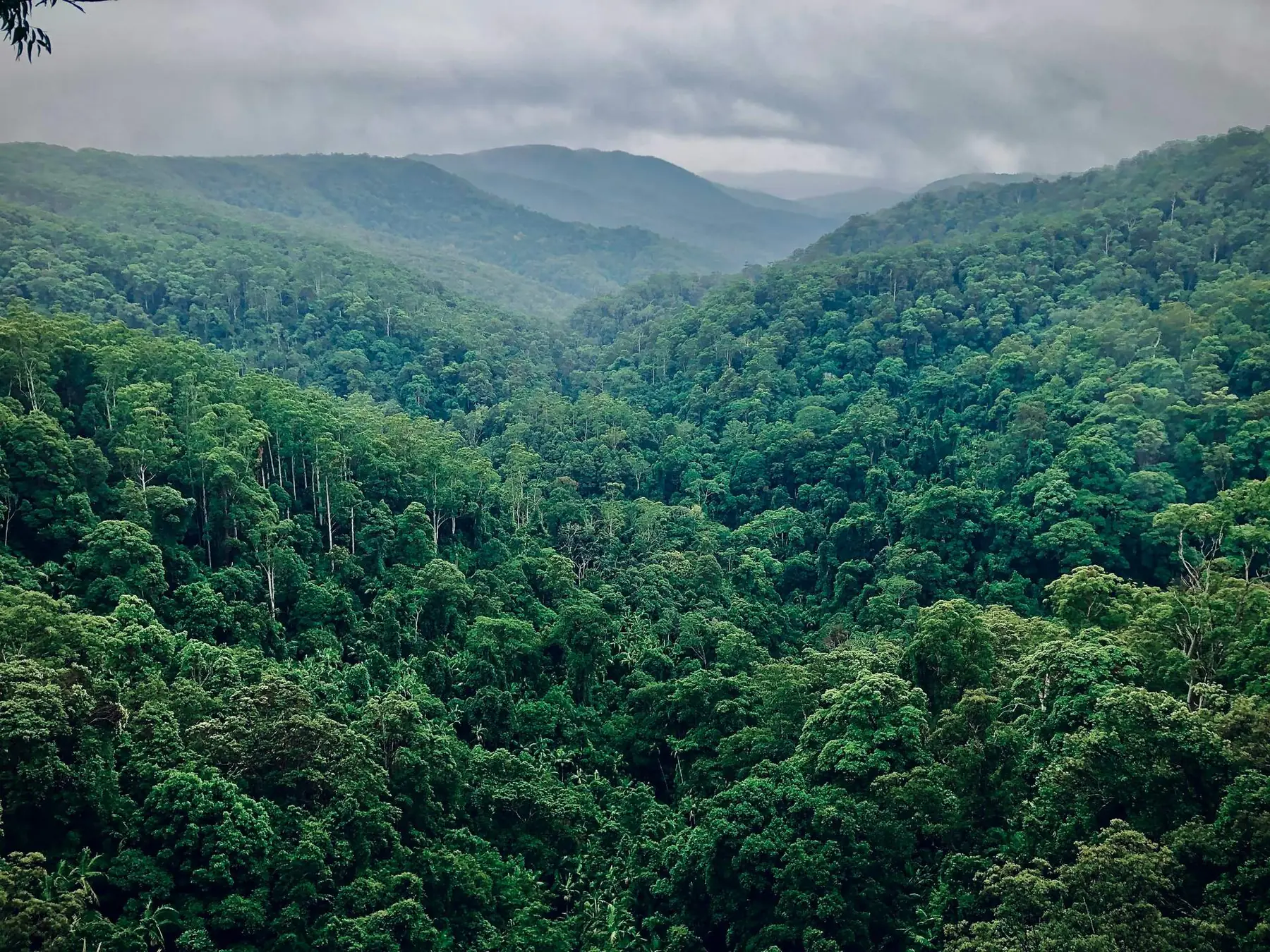
Sierra del Divisor
Avoided deforestation + biodiversity
Issuing 2027~200k tCO₂/yr
Live · 04 projects · 1.6M+ hectares · Vintage 2027
Fronterra develops forest carbon and biodiversity projects in Peru's Amazon and Andes. We originate, engineer and operate every project in-house, building the supply buyers need for long-term carbon and biodiversity agreements.
Methodologies certified to the highest global standards (VERRA VM0047 & VM0048, ICVCM- and CCP-approved). Endorsed by Peru's national carbon registry. Cross-border supply enabled through bilateral agreement with Peru & Singapore.
The pipeline · Current & 2033
Buyers do not just need credits; they need confidence in the chain of delivery. Fronterra starts before inventory exists: securing community agreements, technical design, MRV, registration pathways and long-term operations. The result is supply with a clear line from land to buyer.
Forest engineers, sociologists and ESG specialists who live where they work. 90% of our staff are in-country. We follow IFC Performance Standards and Peru's national framework for indigenous consultation. No subcontractors, no remote management.
Satellite-based Geo-MRV on every site using Esri, Google Earth Engine and TerrSet. Both methodologies (VM0047 and VM0048) approved by the ICVCM and the Core Carbon Principles. Built in close coordination with Peruvian regulators through the Peruvian carbon market association, the EU Commission, RESTORE and the Field Museum's Rapid Biological Inventories.
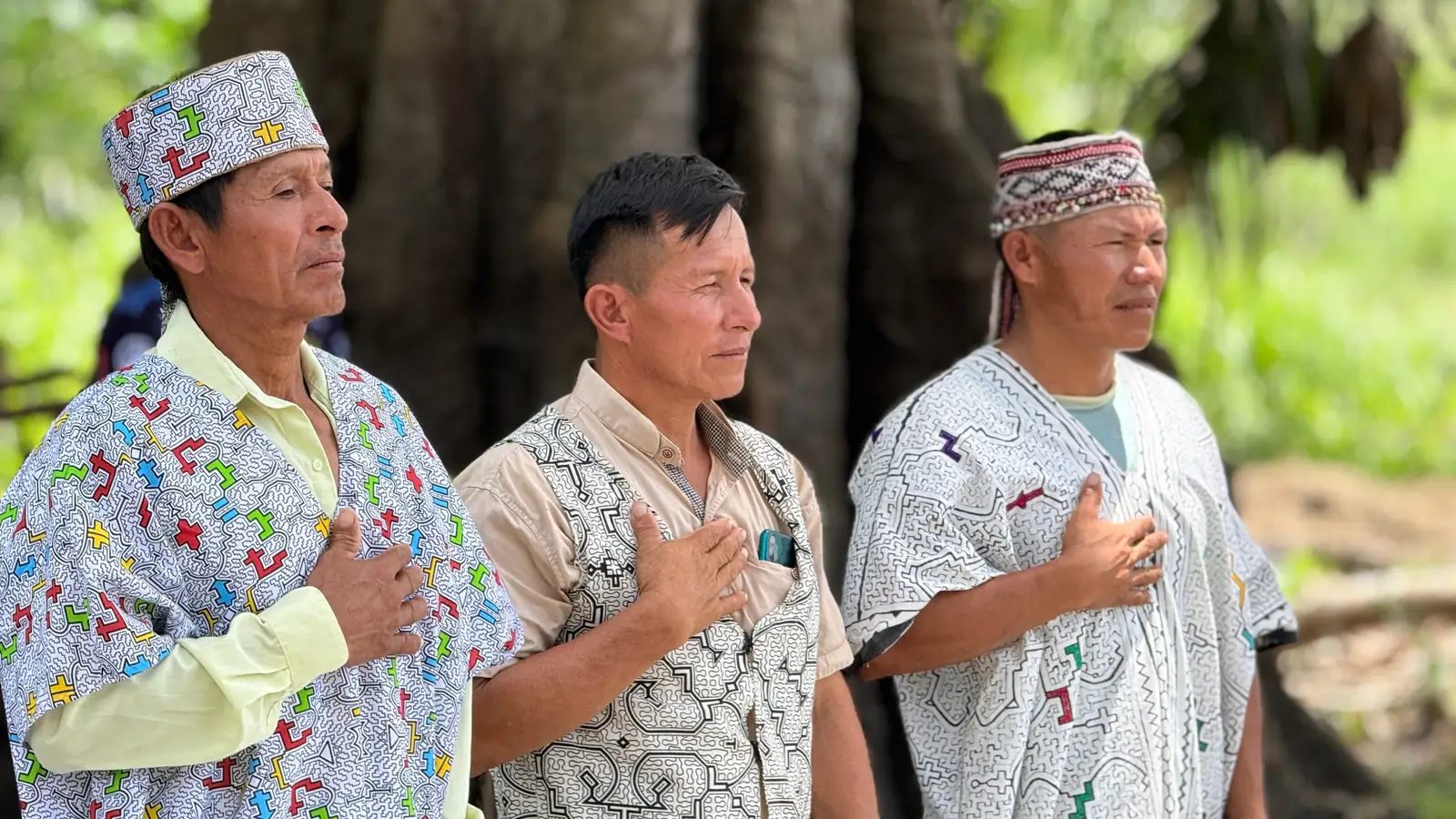
Our partners are Ashéninka and Quechua, Shipibo-Conibo and Capanahua communities, plus the buffer zones around the territory of uncontacted Isconahua peoples. Free, Prior and Informed Consent is the foundation, not a checkbox. Cocoa, coffee, mushrooms, timber and non-timber forest products run alongside carbon revenue. Distributed to communities, not extracted from them.
Fronterra is built on a decade of founding-team transaction experience at Althelia, Mirova, and TotalEnergies. That experience now informs independently originated projects in Peru.
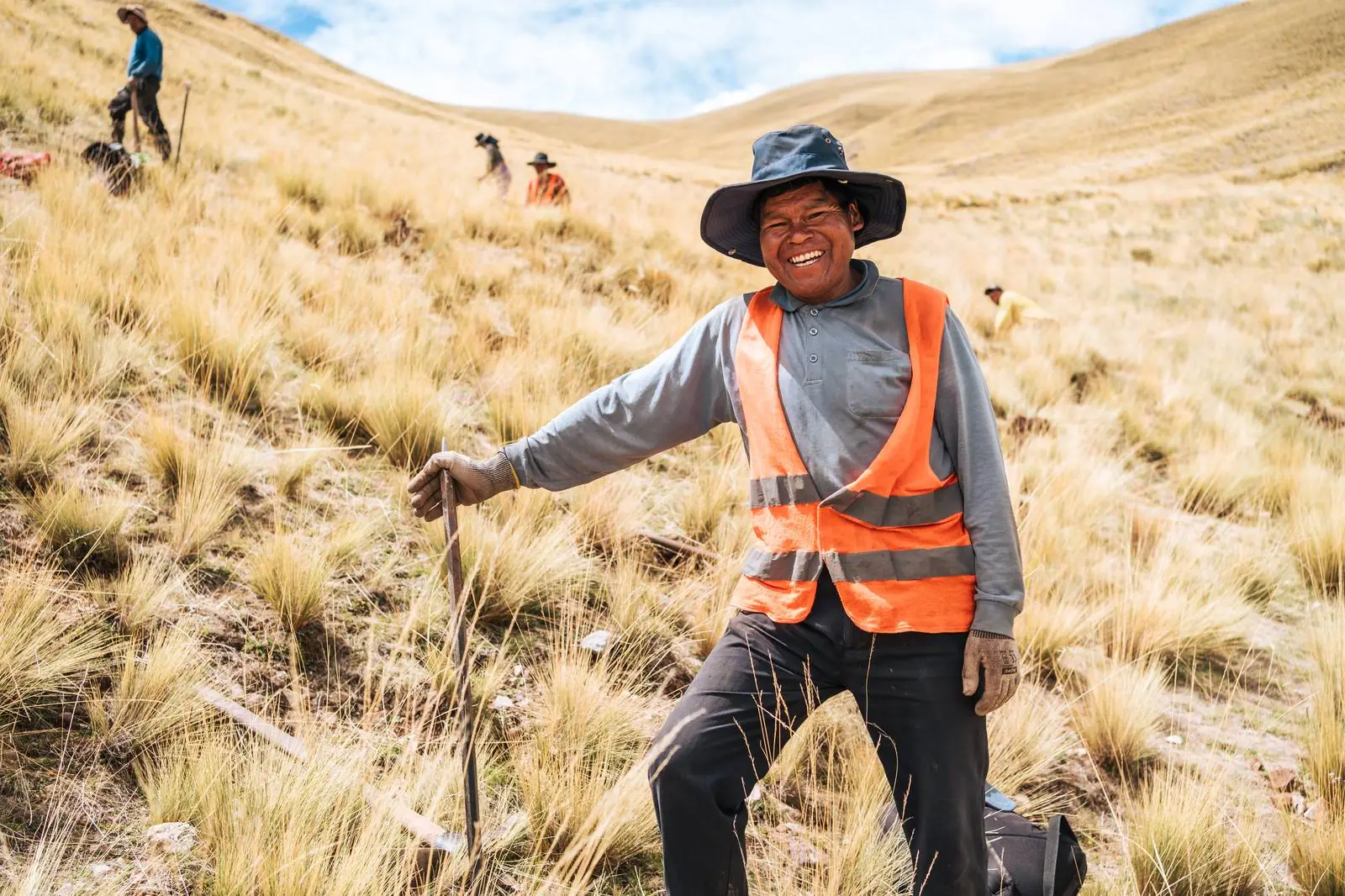 Field team · Santo Domingo, Cusco
Four projects across the Peruvian Amazon and Andes. Long-term concessions, 40-year horizons, direct community partnerships at every site.

Peru portfolio · Amazon and Andes
Avoided deforestation + biodiversity
Reforestation · Andean highlands
Avoided deforestation + community partnership
Reforestation + agroforestry
A decade of forest-carbon contract origination by members of the founding team whilst at Althelia, Mirova and TotalEnergies. This is not Fronterra revenue; it is the commercial experience behind Fronterra's current model. The ledger below shows every deal: those that delivered, those that are running, and those that did not work out.
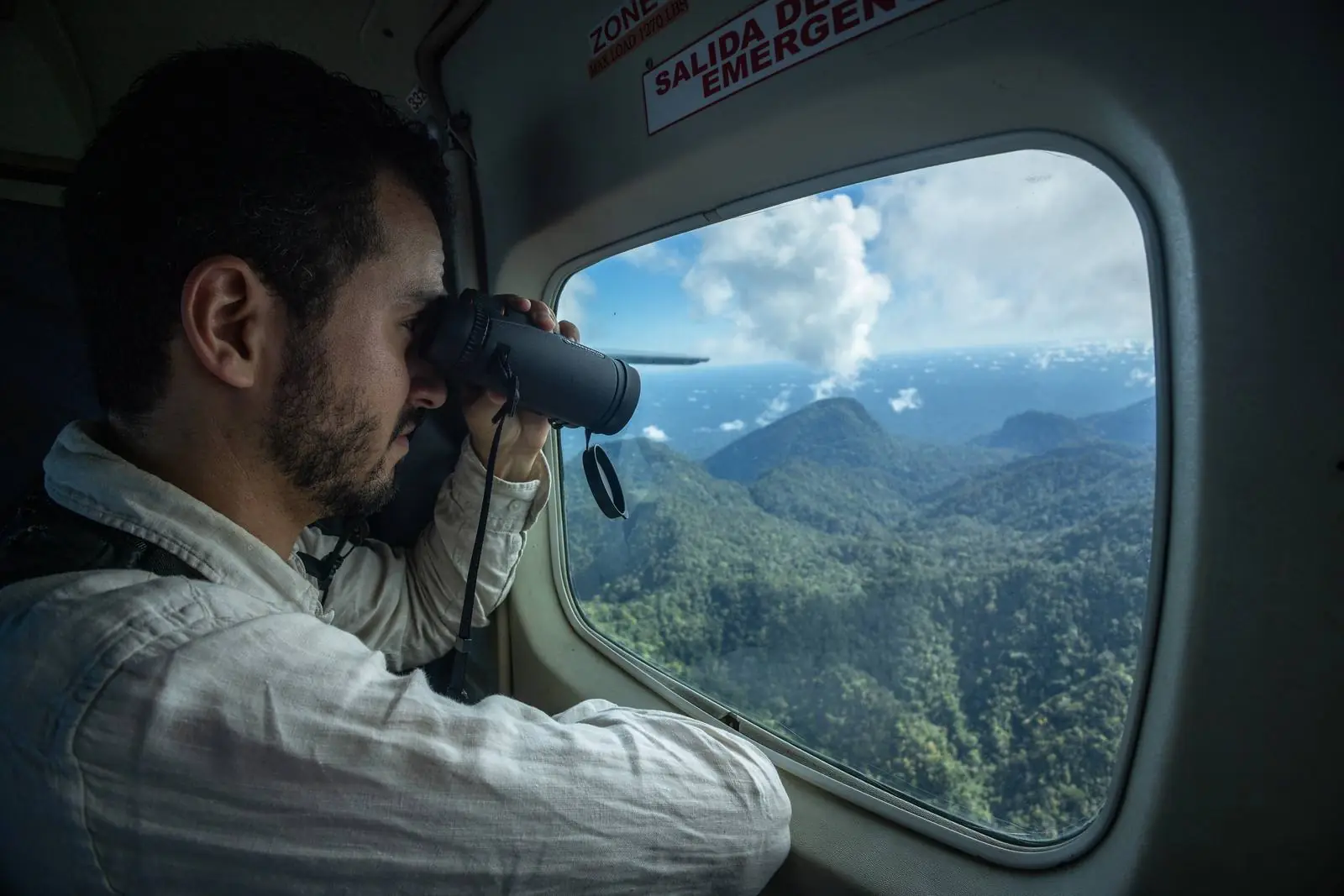 EU Commission Visit · Sierra del Divisor
Fronterra SAS · Marseille · Cusco · Pucallpa
Discuss future supply →Whether you’re locking in supply, financing growth, or meeting a regulatory target, here’s how to work with us.
About FronterraEst. 2024SAS · Marseille
Fronterra is a forest-carbon and biodiversity developer working across Peru. Founded in 2024, we build, finance and operate projects directly with communities, public institutions and commercial partners. Twenty+ people now work across Marseille, Lima, Cusco and Pucallpa.
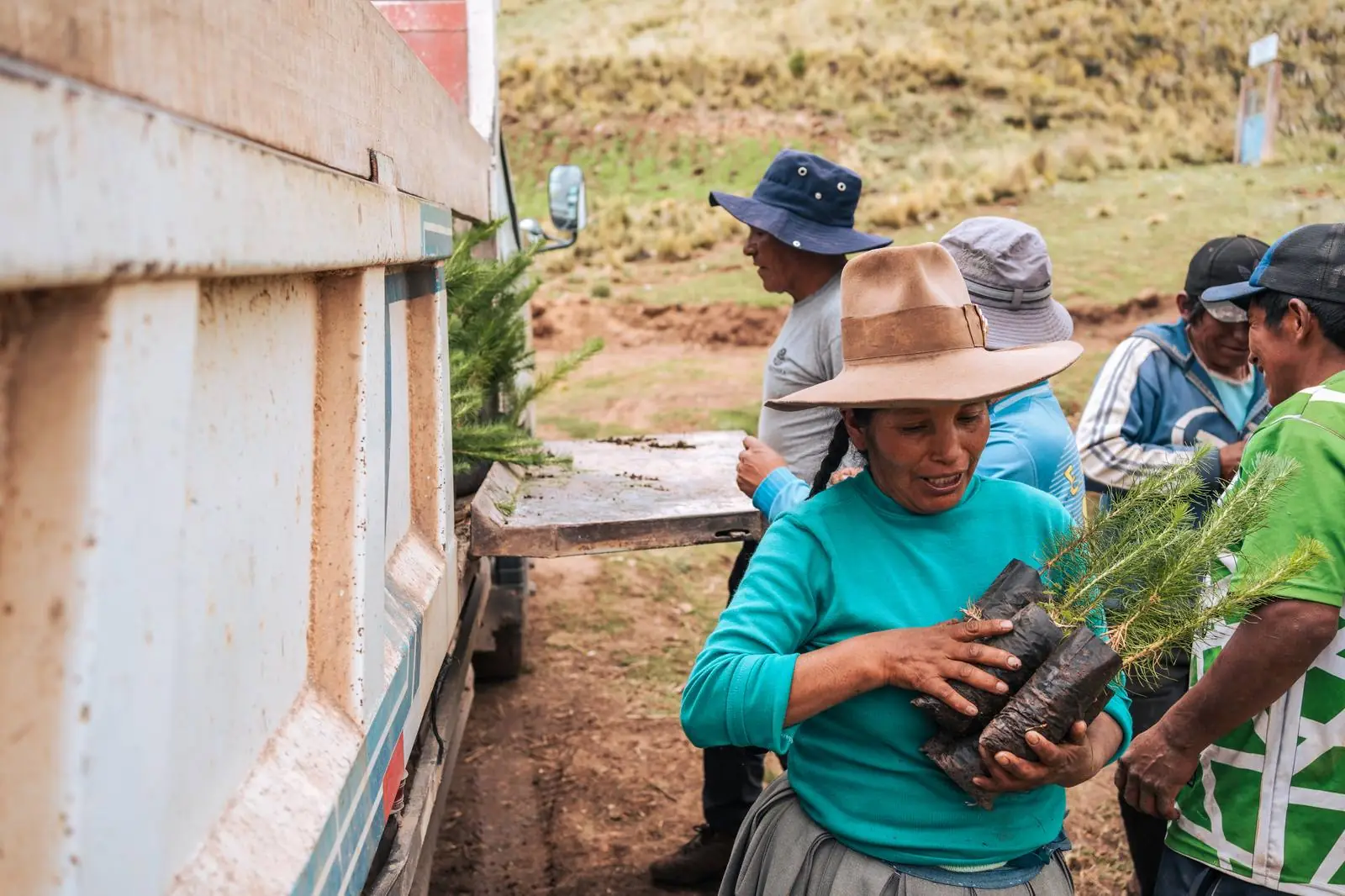 Community seedling dispatch · Santo Domingo, Cusco
§01 · Origin
Before Fronterra, the team spent a decade at the Althelia Climate Fund (now part of Mirova / Natixis Investment Managers) and at TotalEnergies' Nature-Based Solutions business, structuring conservation and restoration projects across Peru, Brazil and Guatemala. $166M+ in credit contracts across nine transactions.
That work was done before Fronterra as fund managers and institutional buyers. Fronterra is the principal operating vehicle built from that experience.
§02 · Identity
Project development happens through field teams, community agreements, public-sector coordination and long-term monitoring. The work does not stop when a project is listed or a contract is signed.
Fronterra develops its own portfolio rather than sourcing credits from third parties. That gives buyers clearer visibility into project design, delivery risk, safeguards and long-term accountability.
Carbon rights, benefit sharing, FPIC processes and implementation structures are built with the people and institutions connected to the land. The aim is not only credit issuance, but durable governance.
High-quality projects are built on difficult ground and held over decades. We prioritise long-term permanence, transparent safeguards and field-level delivery over short-term speed.
§03 · The team

MARSEILLE · CET
Juan Carlos González Aybar is Founder and General Manager of Fronterra. A Peruvian national with 15+ years across fieldwork, investment, corporate governance, and European private-sector climate finance, he has helped structure pioneering carbon and biodiversity finance platforms across Europe and Latin America. His career spans the Danone Fund for Nature, AIDER in Peru, Althelia Climate Fund, Mirova, and TotalEnergies Nature-Based Solutions, where he co-built the Nature-Based Solutions business unit as Senior Project Developer. He is also co-founder of The Shared Wood Company (JV with AXA & ENGIE).
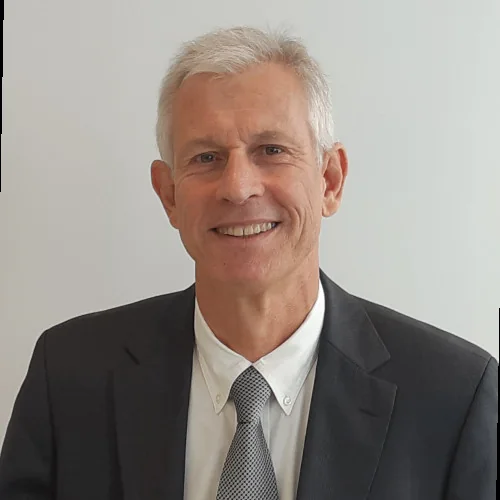
Independent Board Member
Investor and board member with deep asset-management experience. Former Chief Investment Officer for Developing Markets at AXA, with board roles including Climate Seed and Baobab.
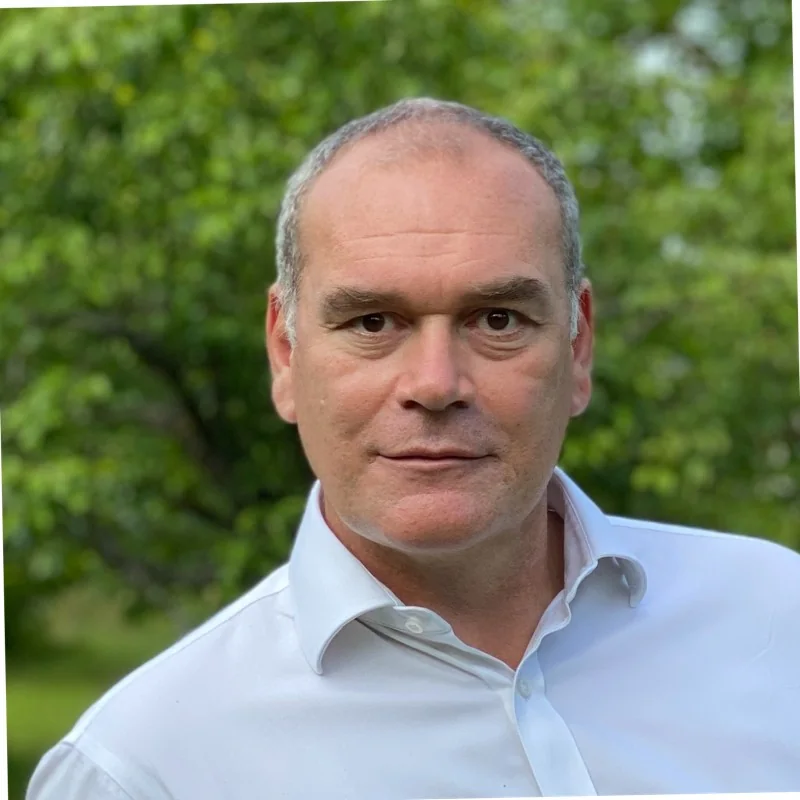
Investor, Board Member
Natural-capital investor and biodiversity-market builder. Co-founder of RESTORE, founder and Managing Director of Octobre, and former Managing Director of Mirova Natural Capital / Althelia Funds.
Senior Advisor - Public Affairs
One of Peru’s most accomplished conservation executives. Co-founder of Peru’s Ministry of Environment and former Chief of Staff to its first Minister, Antonio Brack Egg.

Chief Business Development Officer
Business development and investment professional with experience across L’Oréal, Edeka and Particle Vision. MBA from IMD. Investor in Fronterra and advisor to the platform’s commercial expansion. He supports business development, turning the company’s pipeline into bankable natural-capital opportunities.
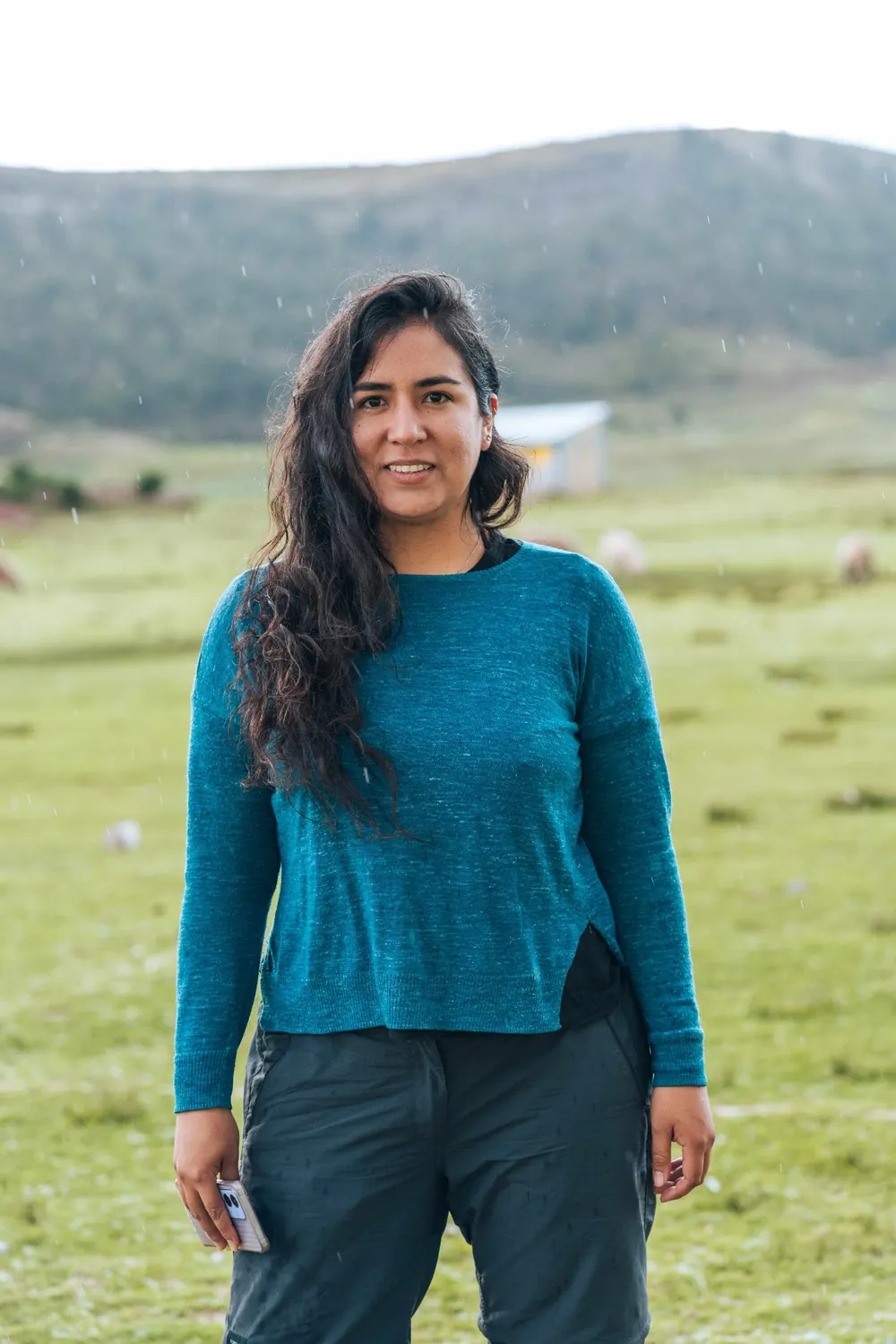
ESG & Impact Value Creation Manager
Economist from the University of Bordeaux with a Master’s in Social Sciences from the University of Paris–Sorbonne, specialising in local economic analysis and socio-environmental conflict transformation.

Senior Scientific Advisor
Fronterra’s geoscience and remote-sensing chief scientist. Former professor at Universidad Nacional Agraria La Molina, with 11+ years of experience in REDD+ development, Geo-MRV and forest operations.
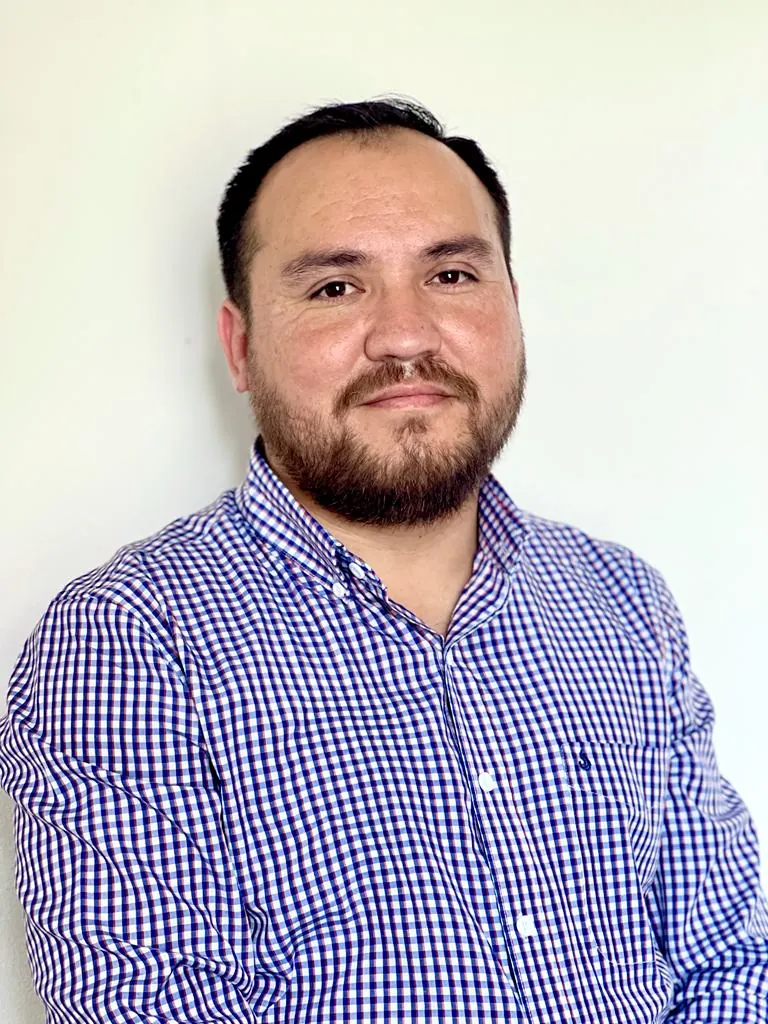
Peru Country Chair
Engineer in tropical forest ecology, specialised in protected-area management, conservation planning and Amazonian forest governance. Former protected-areas management specialist at Peru’s national authority.

ESG Analyst
Anthropologist from Pontificia Universidad Católica del Perú, with experience in qualitative research, cultural dynamics, public engagement and socio-environmental analysis.
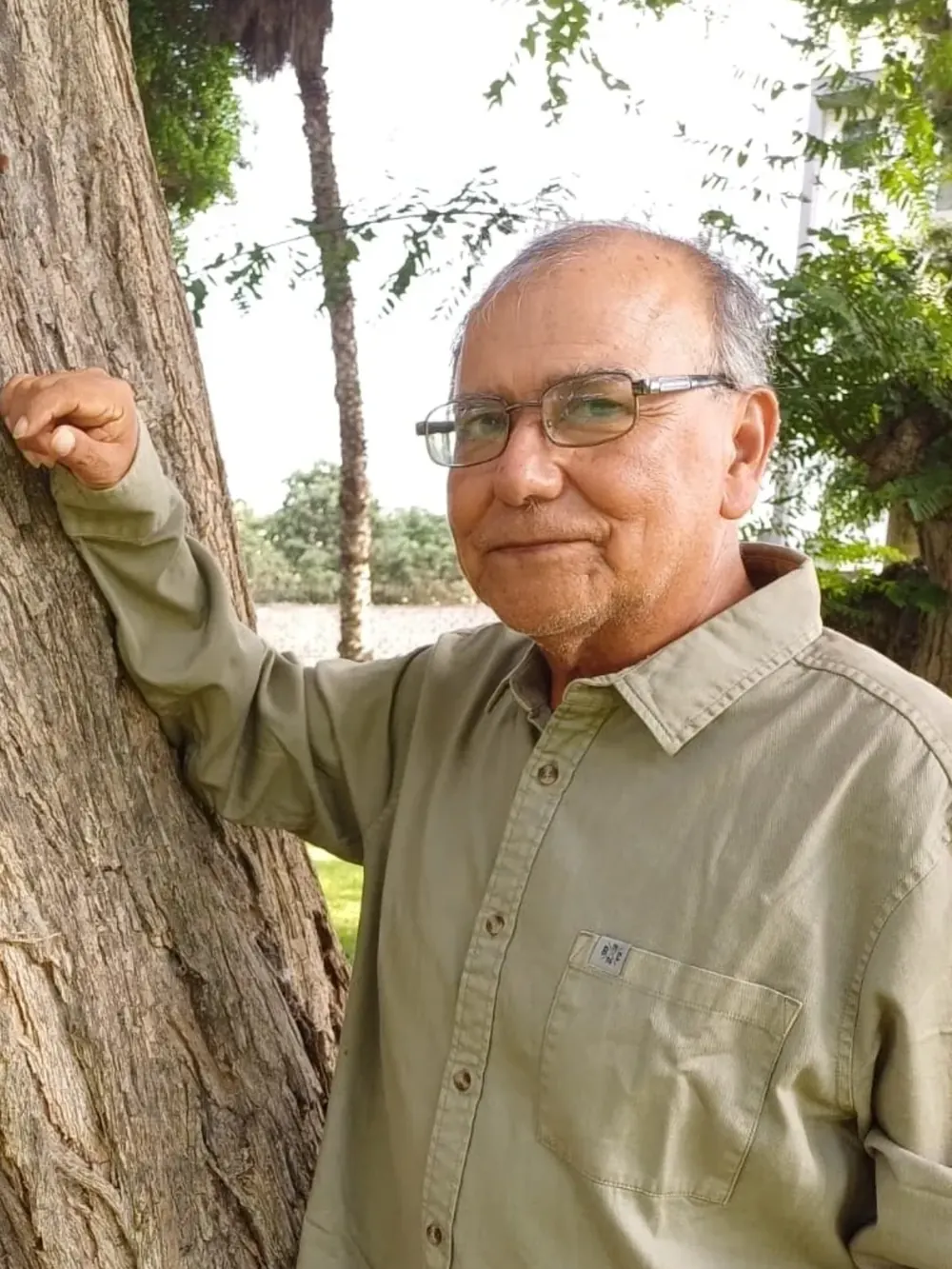
Senior Social Conflict Resolution Specialist
Seasoned social scientist specialised in conflict resolution and social intervention with farmers and native communities across the Andes-Amazon. Experienced across natural-resource conflicts and development projects in Peru.
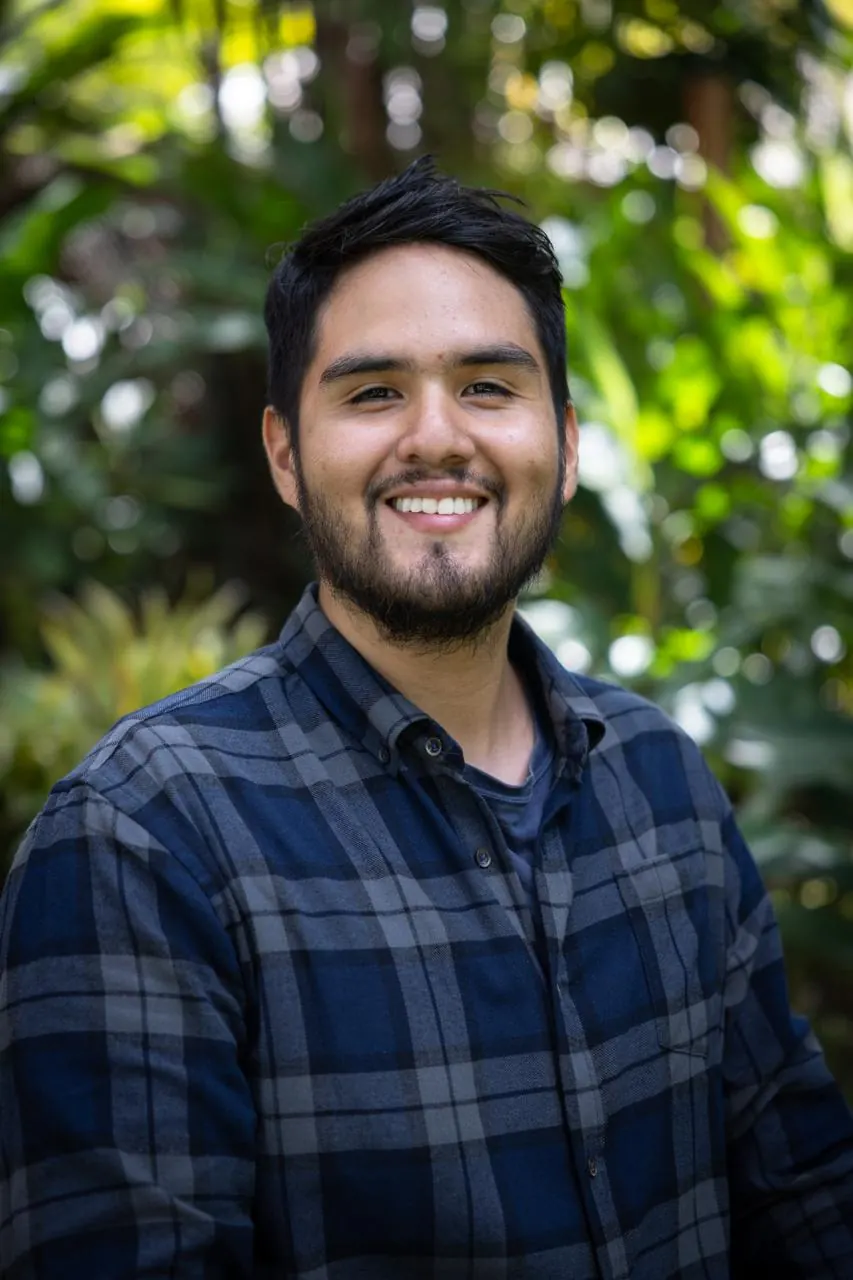
Geomatician
Renewable natural resources engineer from Universidad Nacional Agraria de la Selva, with specialisation in GIS, remote sensing and programming applied to conservation and carbon projects.

Commercial & Administrative Assistant
Accounting student at Universidad Peruana de Ciencias Aplicadas with nearly a decade of commercial, accounting and administrative experience before joining Fronterra.
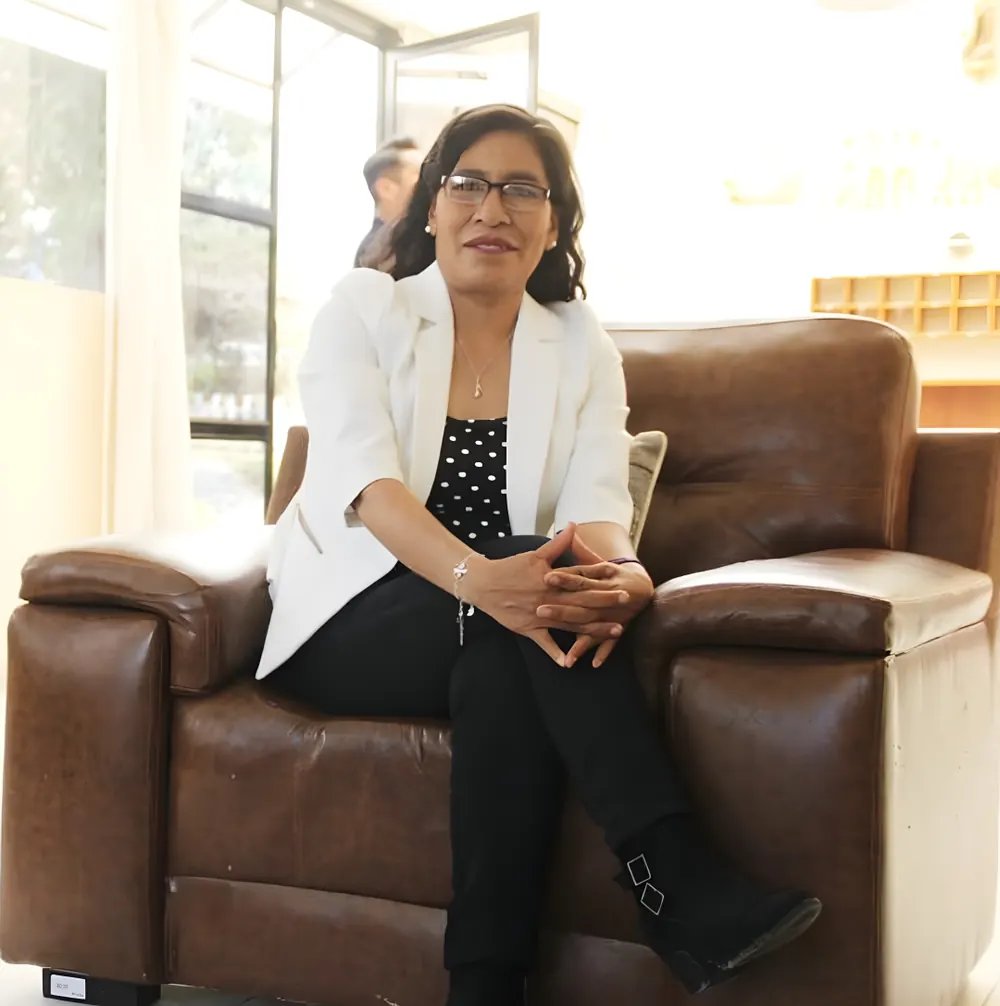
Community Engagement Specialist
Community management specialist with a background in primary education, municipal public management, educational psychology, governance and organisational development.
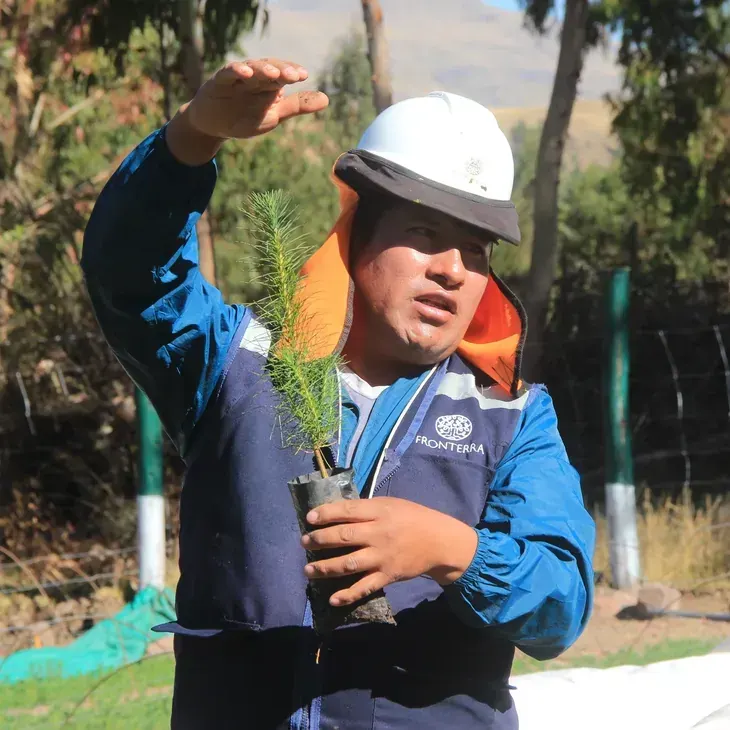
Community Forestry & Value Chains Specialist
Sustainable agricultural development specialist with over a decade of hands-on experience in agroforestry, livestock management and rural entrepreneurship in Peru.
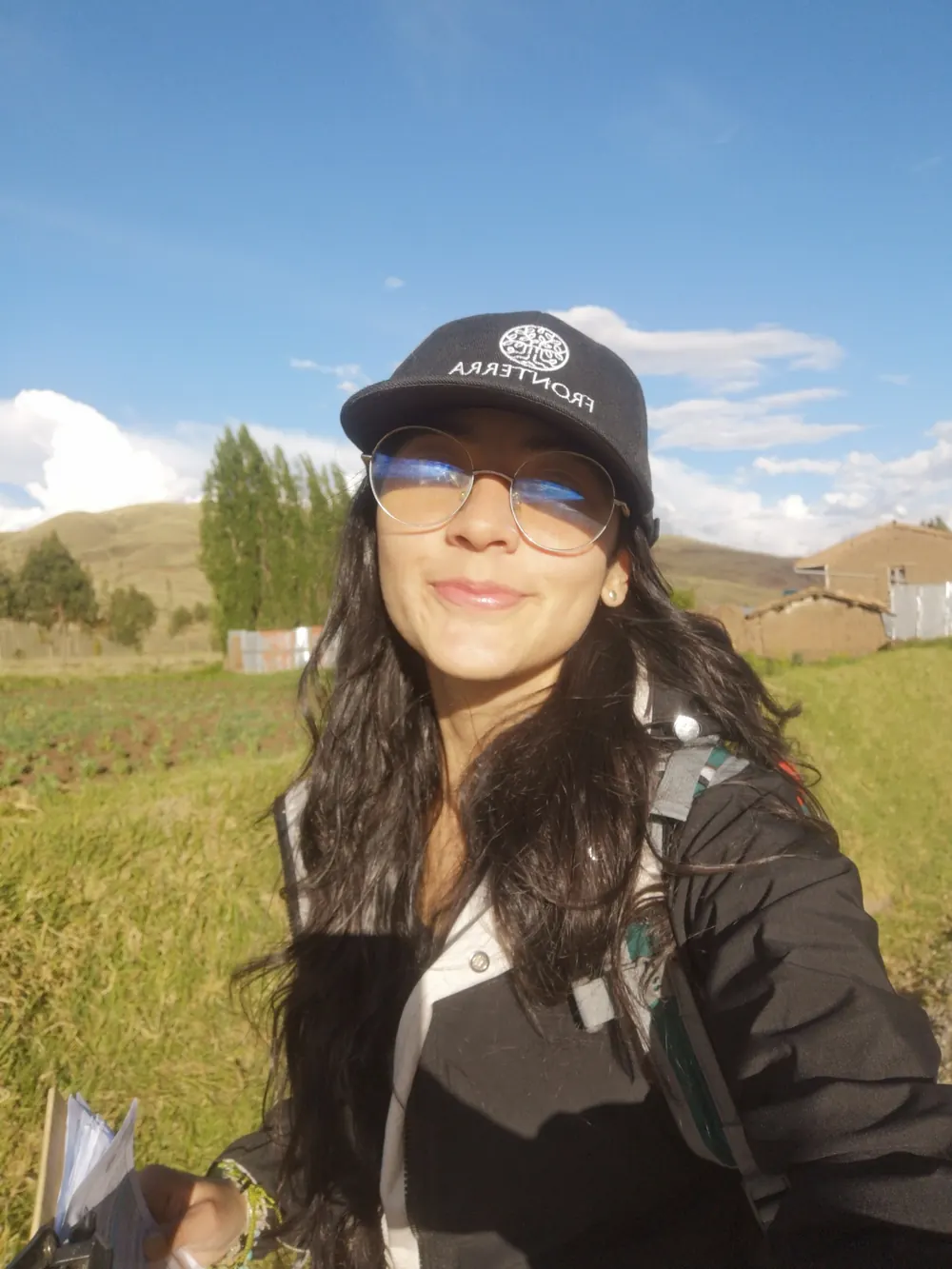
ESG Analyst
Environmental engineer from Universidad Nacional Agraria La Molina, with research experience in green infrastructure, climate change, territorial resilience and applied ecology.

Carbon Analyst
Forestry engineer from the Federal University of Paraná with a Master’s in Wood, Forest and Sustainable Development from AgroParisTech. Focused on forest economics and operations.
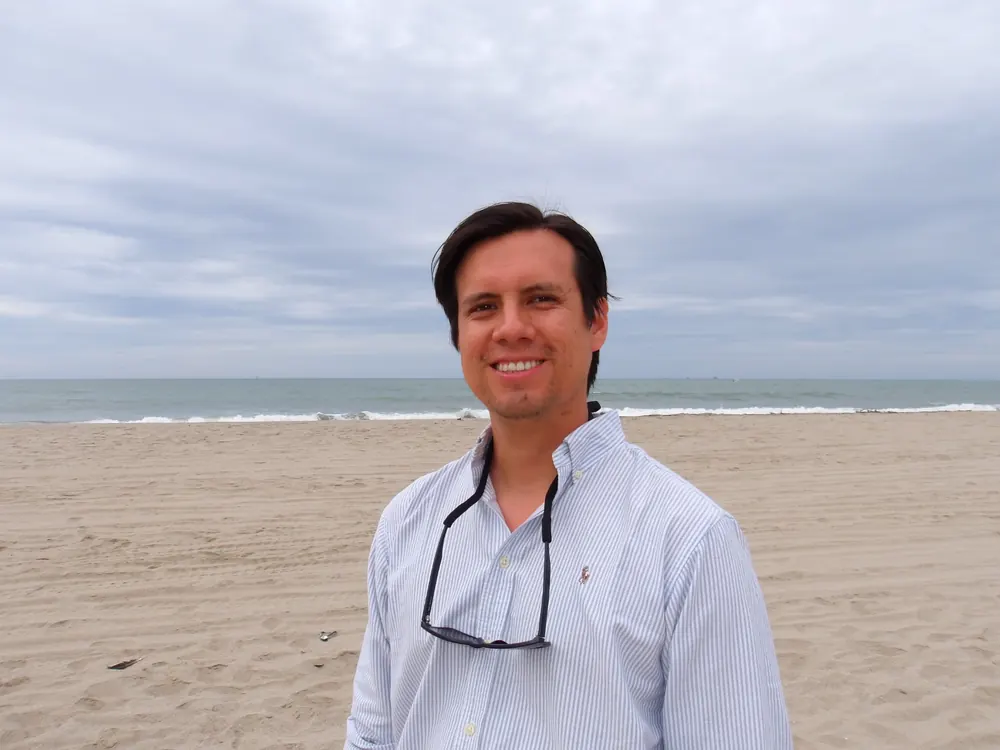
Project Finance Analyst
Industrial engineer from Universidad San Ignacio de Loyola, with specialisation in private project evaluation and project finance from Pacífico Business School.
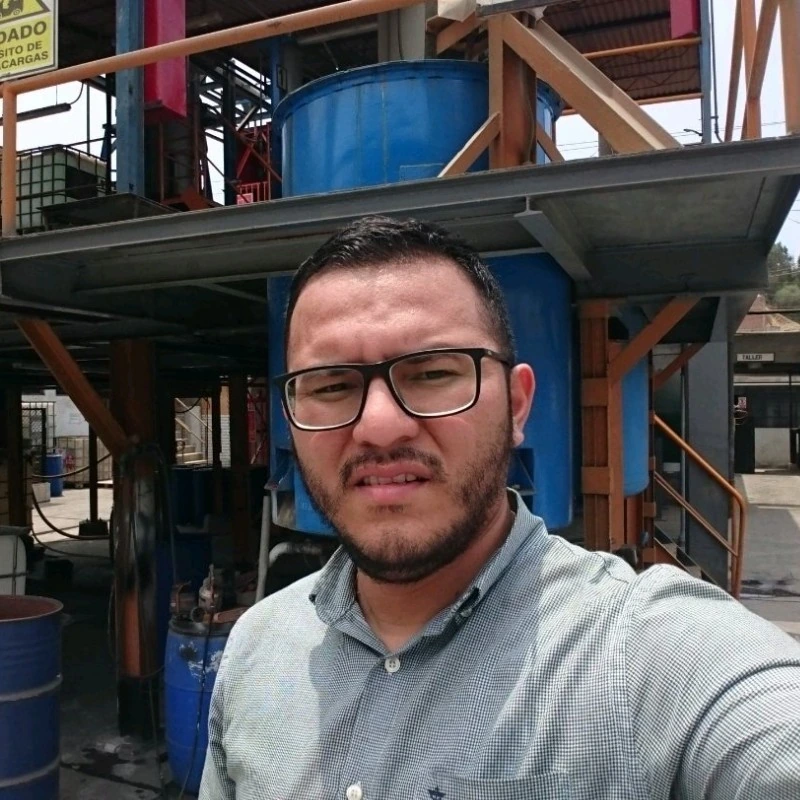
HSE / SSOMA Supervisor
Industrial and commercial engineer from ESAN University, with training in project management, integrated management systems, occupational health and safety, and process improvement.

R&D Engineer
Engineering degree at AgroParisTech, with an academic focus on natural habitat management and conservation planning for high-value ecosystems. Skilled in species distribution modelling and quantitative data analysis.
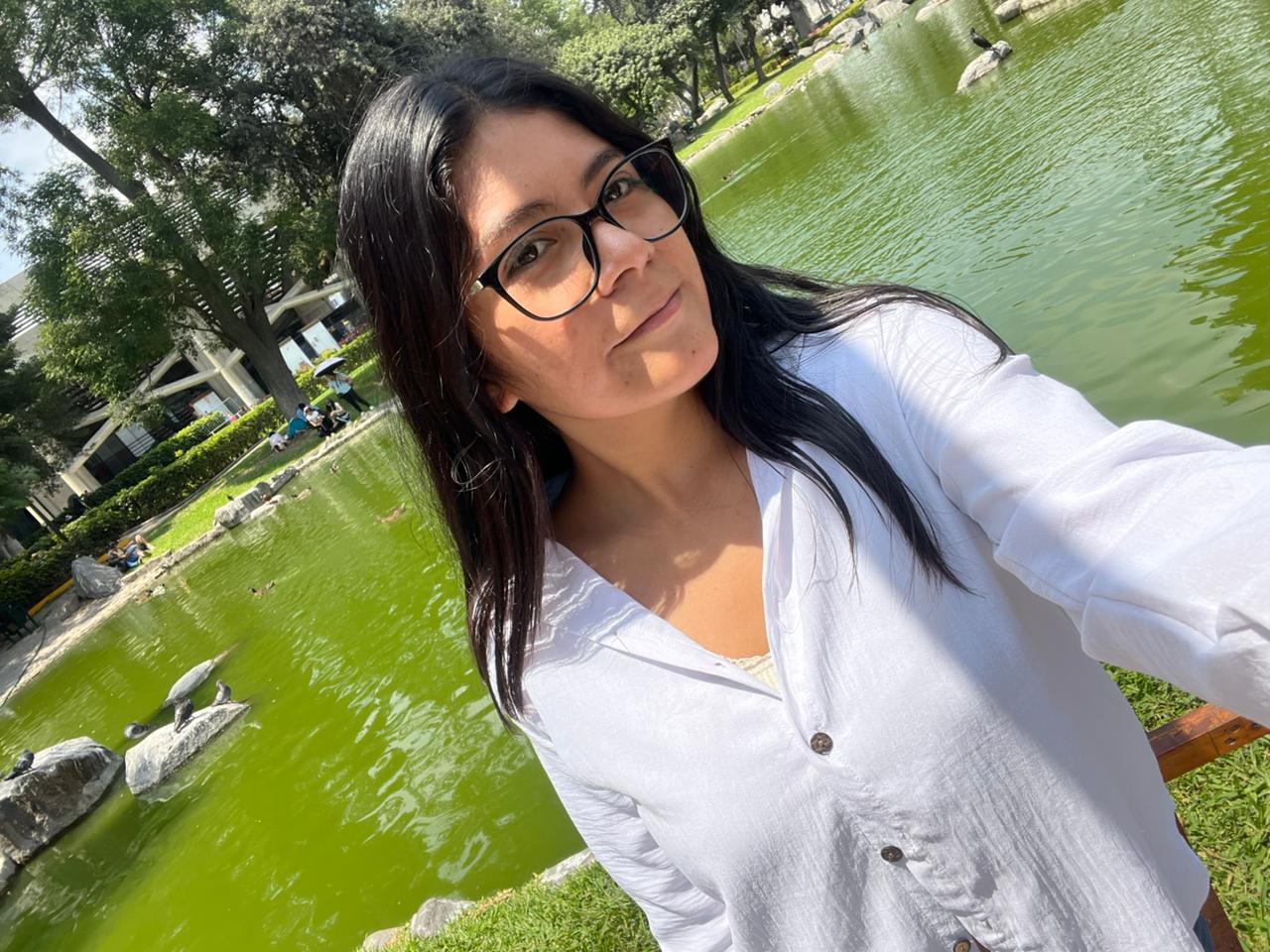
GIS & Remote Sensing Specialist
Natural resources engineer with expertise in GIS, remote sensing and geospatial analysis for environmental monitoring, forest-cover analysis, land-use classification and field mapping.

Head of Communications
Strategic communications lead with experience in climate, carbon markets and community-based environmental projects, translating technical and field work into clear partner and investor narratives.

R&D & Circular Economy Partner
Co-founder and CEO of Cyklos, Fronterra’s partner on F-Methane. Former Vice Minister of Environment of Peru, with senior experience in circular economy, waste management and environmental quality.
§04 · What we believe
Every project sits on a long-term concession. We measure success in decades of standing forest, not quarterly issuance volumes. Our investors and offtake partners commit on the same horizon.
Carbon rights stay with the Ashéninka, Quechua and other Indigenous and rural communities whose territory hosts our projects. Free, Prior and Informed Consent is foundational. Revenue is distributed, not extracted.
We originate, design and operate every project in-house. No subcontracting to local NGOs. Forest engineers, social scientists and ESG specialists live where they work. 90% of our staff are in-country.
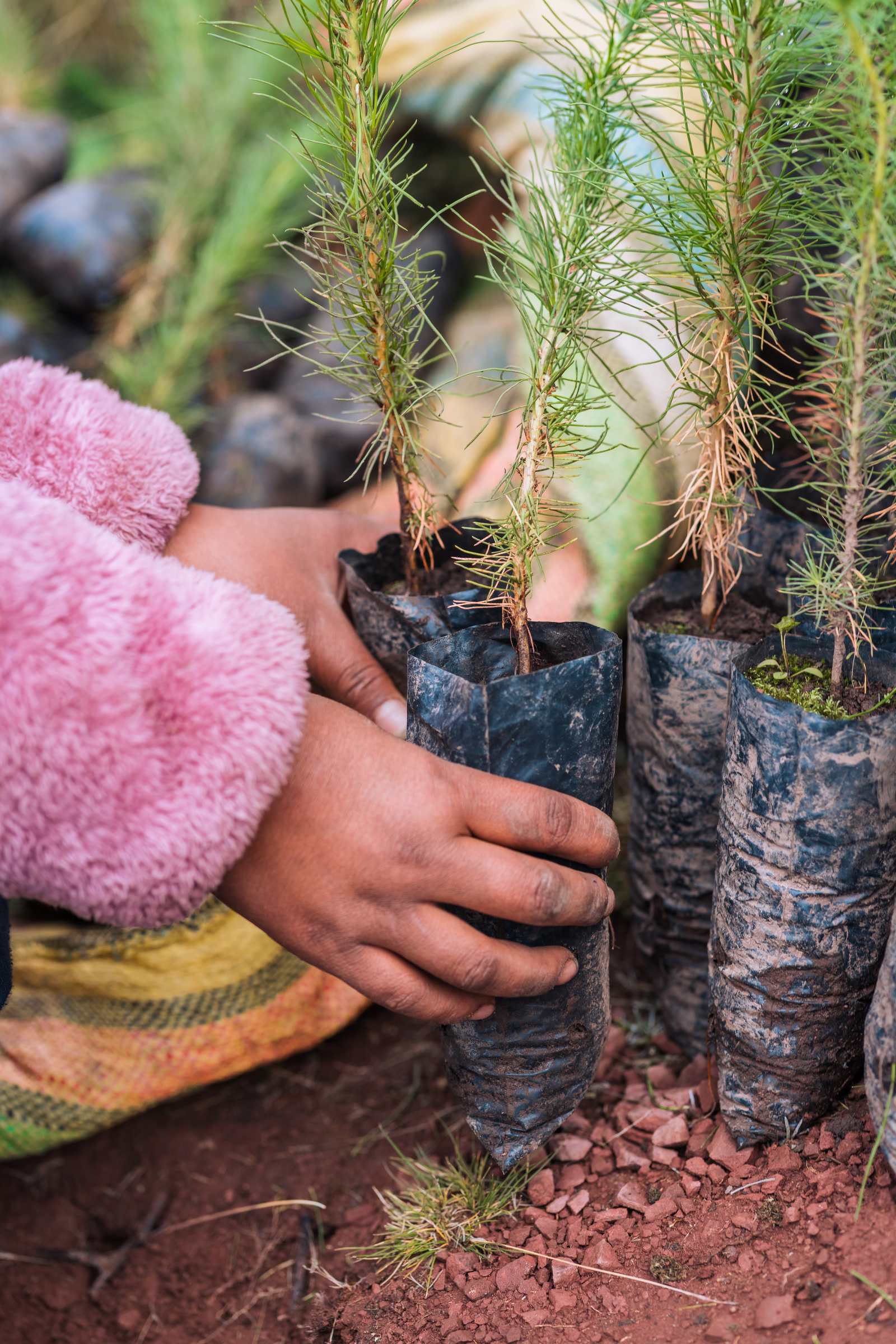 Tree seedlings · Cusco nursery
§05 · Roadmap
The next phase is delivery. Fronterra’s current pipeline spans Sierra del Divisor, Sumaq Allpa, Selva Central and Gran Pajonal, forming the foundation for a wider platform of forest-carbon, biodiversity and restoration work across Peru and future regional hubs.
2026–2027
~641k tCO₂/yr
Current Peru portfolio under validation, consultation and offtake. Sierra del Divisor is targeted for 2027 issuance.
2028–2030
~1.3M tCO₂/yr
Sumaq Allpa prepares for first issuance post 2030. Selva Central and Gran Pajonal move through consultation, validation and early delivery. Central America & Brazil hubs launching.
2031–2033
~2.5M tCO₂/yr
14 projects across 3 regional hubs. 3.4M ha protected. 21,000 families directly impacted. 115,000 hectares under reforestation.
For offtake conversations, partnerships, or press, write to the founding team.
Juan@fronterra.eco →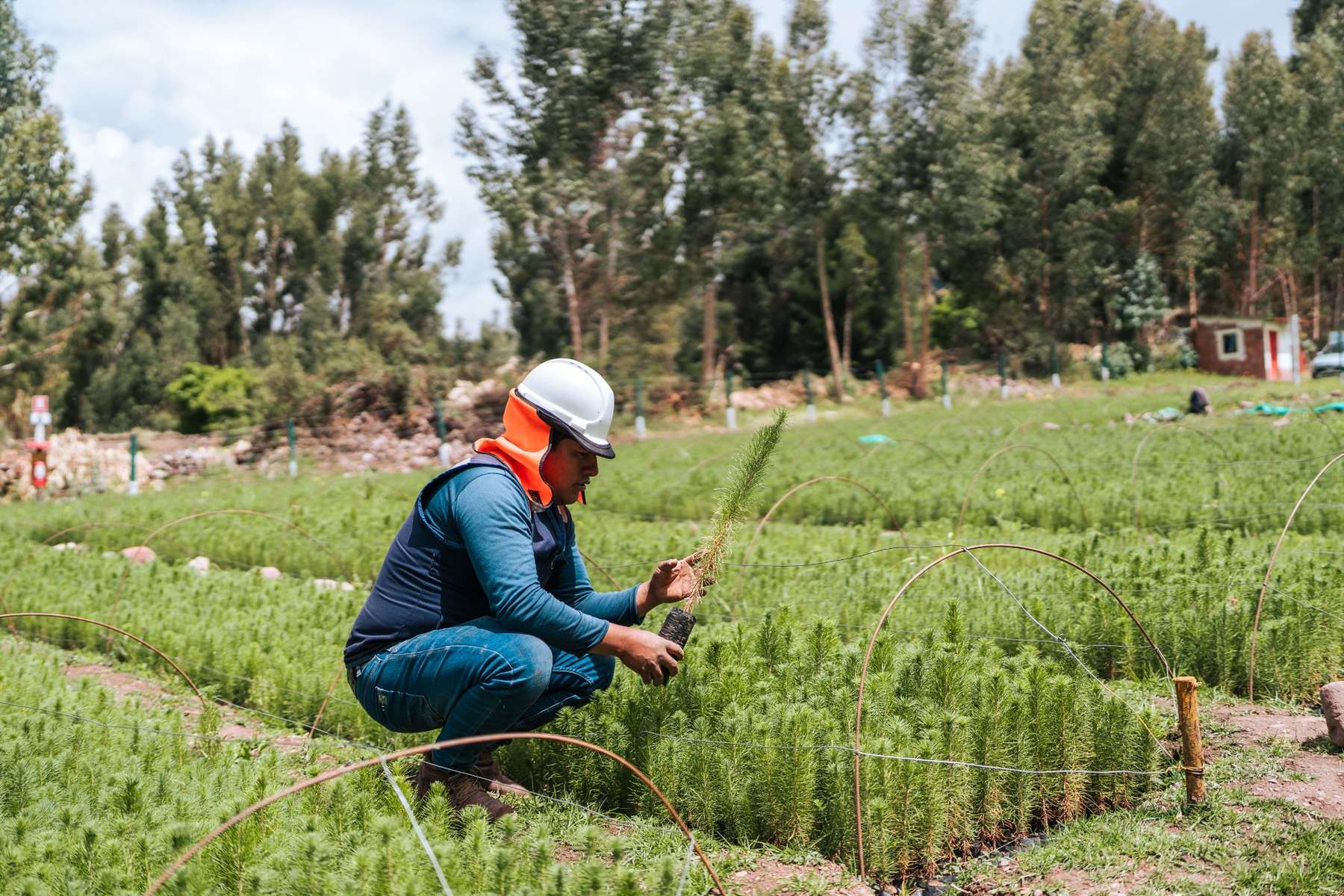 Field nursery work · Peru
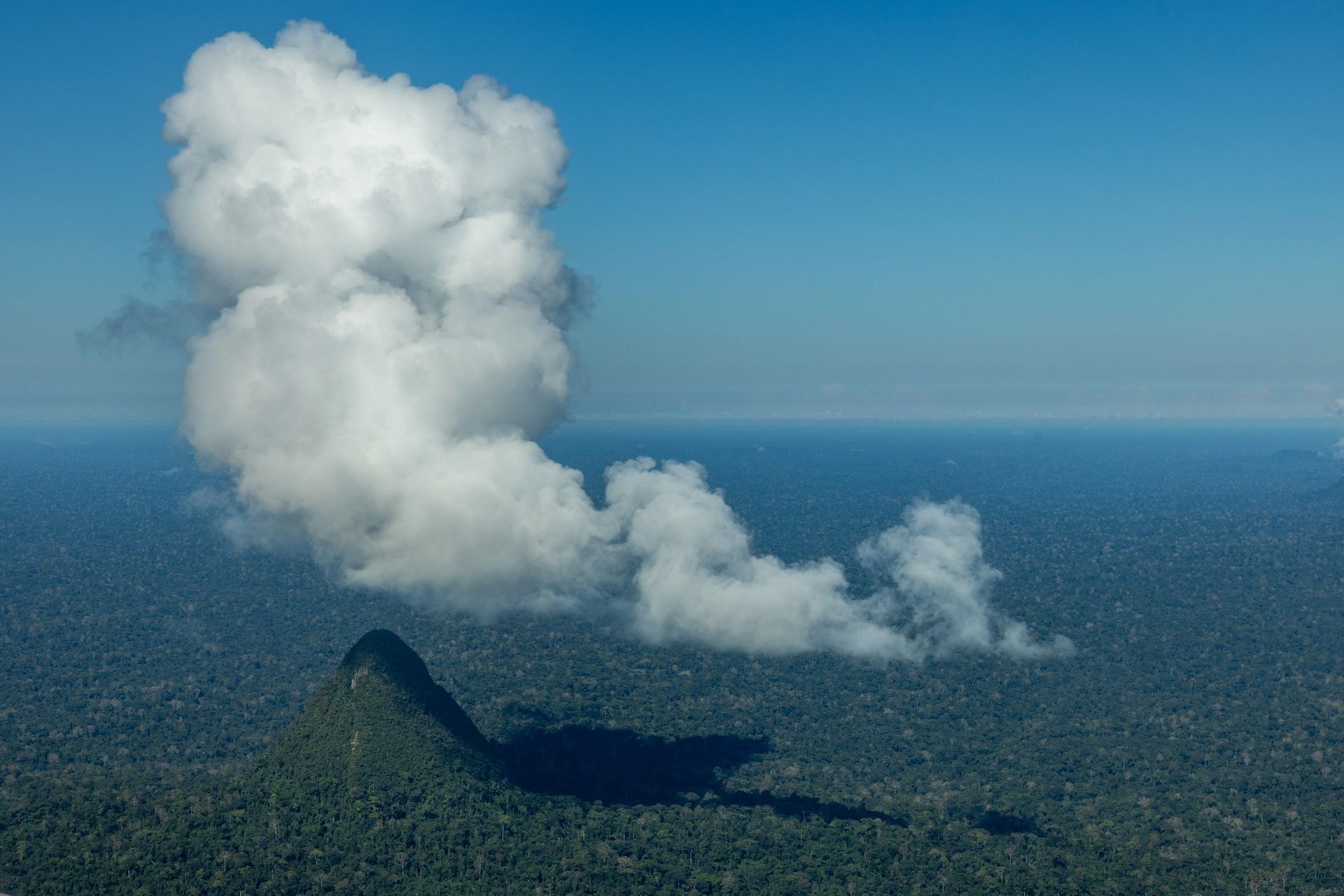
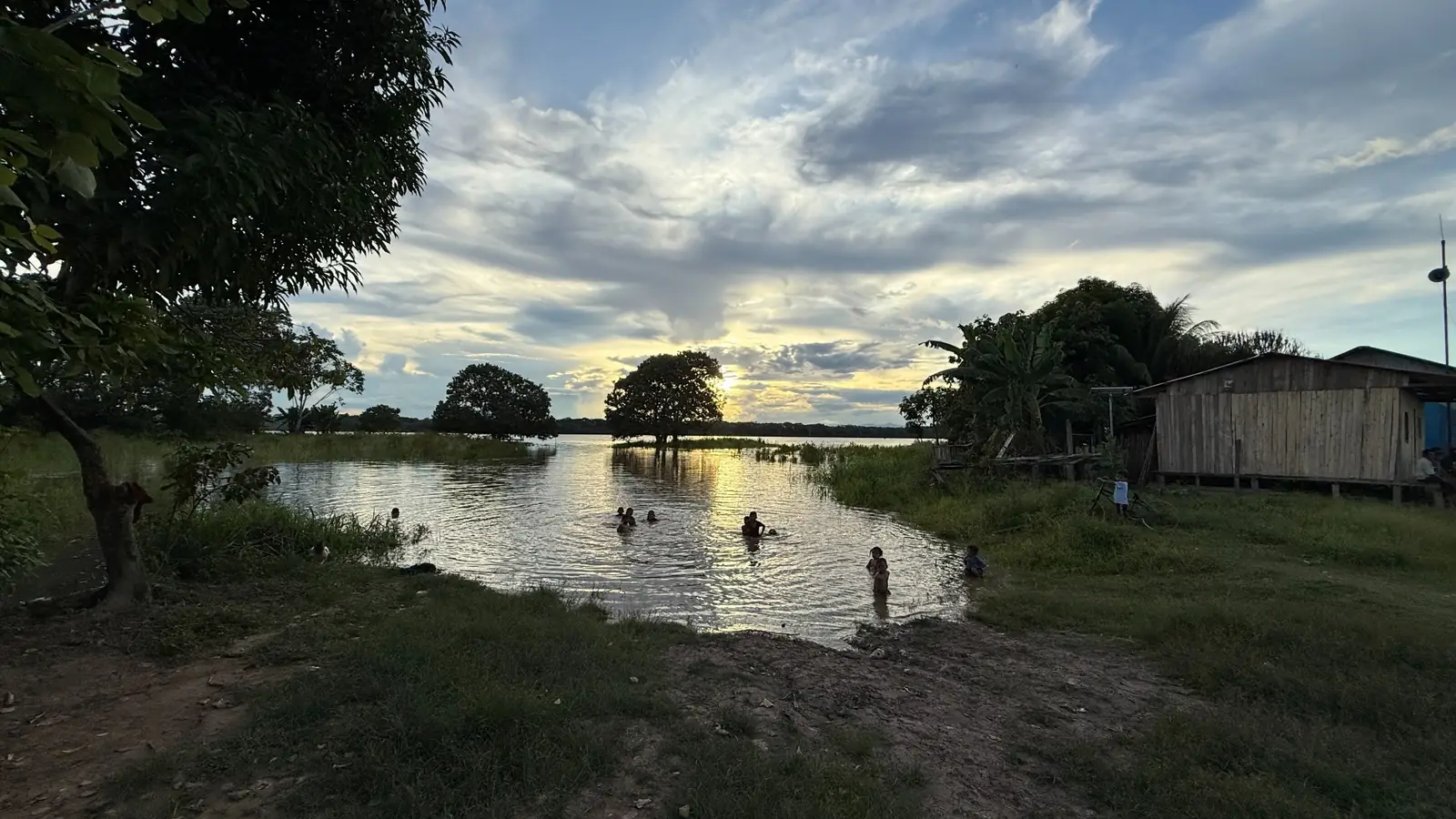
Project · 01
Sierra del Divisor Conservation Corridor · Peruvian Amazon
One of Peru's most important biodiversity strongholds, turned into high-integrity carbon and biodiversity credits. A grouped project linking the National Park with native and farming communities, and regional protected areas.
§01 · The MERESE framework
MERESE, Mecanismo de Retribución por Servicios Ecosistémicos, is one of Peru's mechanisms to finance management and conservation of natural protected areas through payments for ecosystem services. Sierra del Divisor's design uses MERESE to channel conservation finance and technical resources directly into the Park's protection and active management, in partnership with neighbouring communities.
Under the project's contractual architecture, SERNANP acts as the public partner responsible for Park management and on-the-ground conservation. RESTORE is the anchor financier and final beneficiary in biodiversity outcomes. Fronterra acts as structuring and implementing party, coordinating finance, technical design, buffer-zone activities and market engagement. Organised communities participate as local partners through their communal organisations or federations, delivering services with local knowledge.
§02 · Carbon project design
The Sierra del Divisor carbon work combines protected-area conservation (avoided emissions / avoided degradation) with targeted restoration in influence zones. Methodology applies VERRA VM0048, fully approved by Peru's Environment Ministry, with country alignment.
Carbon accounting integrates advanced GIS and remote sensing to define activity areas and baselines, complemented by extensive field carbon inventories and monitoring plots. Credits are issued every year, with conservative baselines emphasising historical land-use analysis and additionality. Independent third-party validation and verification ensure buyer confidence.
§03 · Grouped project structure
1. National Park (inside the Park): activities financed through MERESE and delivered with SERNANP, RESTORE and local communities, park protection, ranger capacity, rewilding, biological monitoring and restoration.
2. Native and farming communities (buffer & influence zones): participatory restoration and sustainable production interventions, community forest management, livelihood diversification and participatory monitoring.
3. Regional protected areas and corridors: coordinated management actions to secure landscape connectivity and ecological integrity.
§04 · Impact & safeguards
Robust FPIC processes with indigenous and rural communities in the buffer and influence areas, implemented to international best practice and Peruvian law. Full IFC Performance Standards ESG due diligence. Community-led implementation through capacity building, local employment and co-management agreements.
70% of annual revenues are reinvested in conservation, local livelihoods and forest management, for direct benefit of communities and biodiversity. Transparent benefit-sharing is formally recognised under applicable Peruvian law.
Impact at a glance: 1.35M ha protected in the Park; 200k ha in the grouped project area; 10+ indigenous and farming communities engaged through FPIC; 8,000,000 estimated carbon credits over 40 years.
§05 · Partners & roles
SERNANP, Public partner and Park manager (implementing conservation inside Sierra del Divisor National Park).
MINAM, Ministry of Environment of Peru, regulatory authority for carbon and biodiversity certification.
RESTORE, anchor investor for biodiversity outcomes.
Fronterra, project design, development and co-implementation, market access, and financing structuring.
Sierra del Divisor represents high-integrity nature-based climate investment: measurable mitigation, irreplaceable biodiversity and genuine community benefit. We welcome partners for credit purchase, investment, technical collaboration and community partnerships.
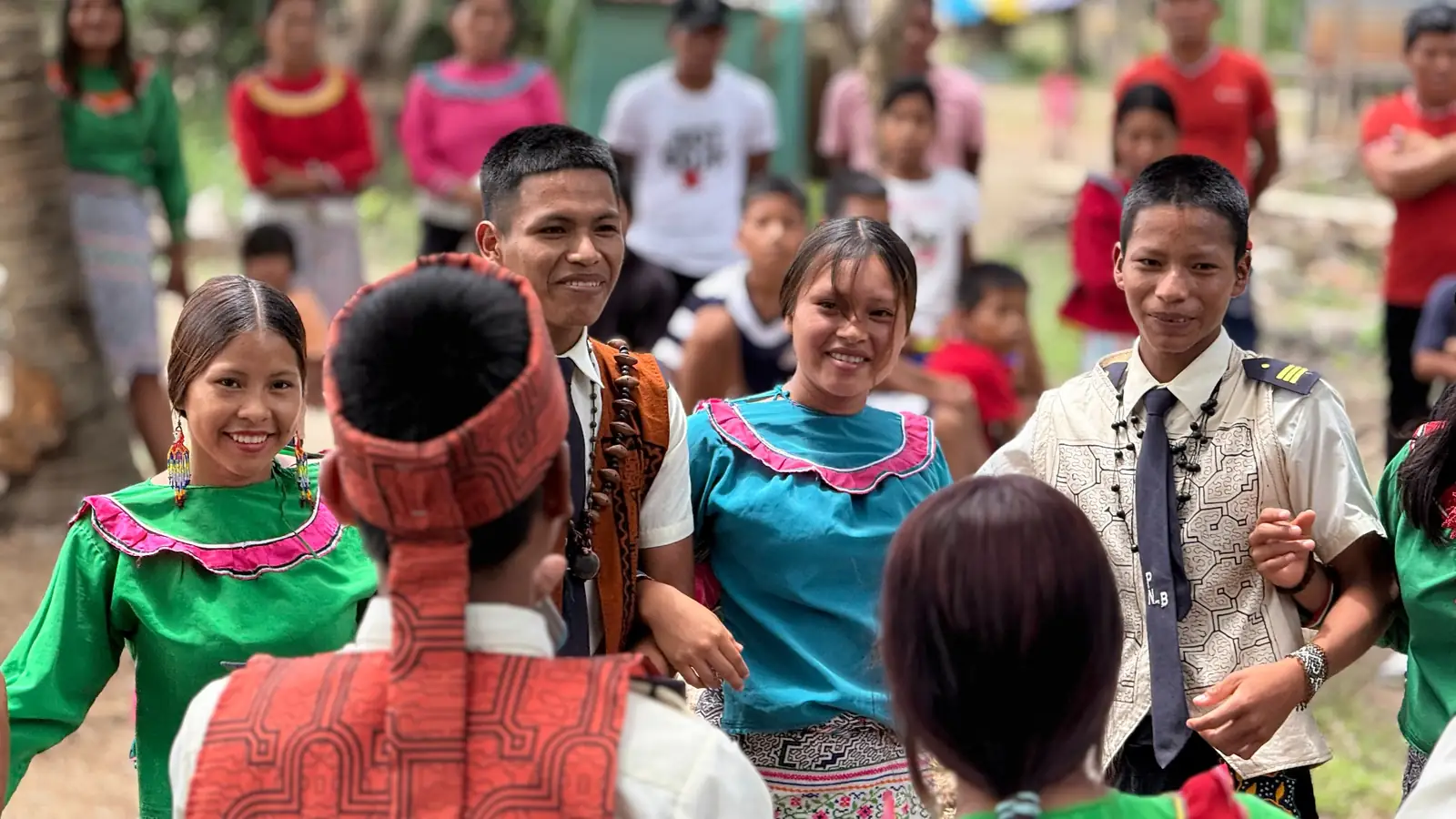
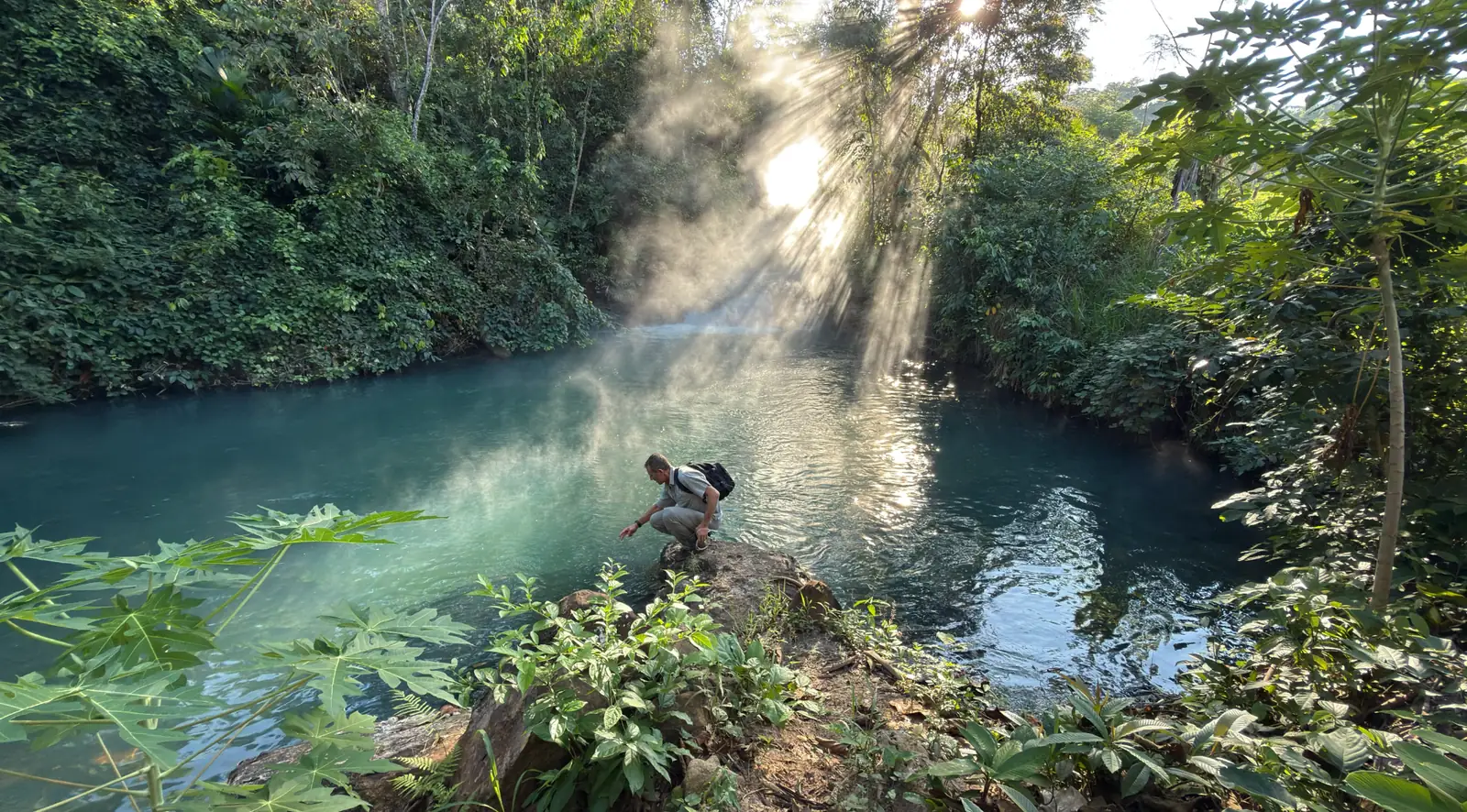
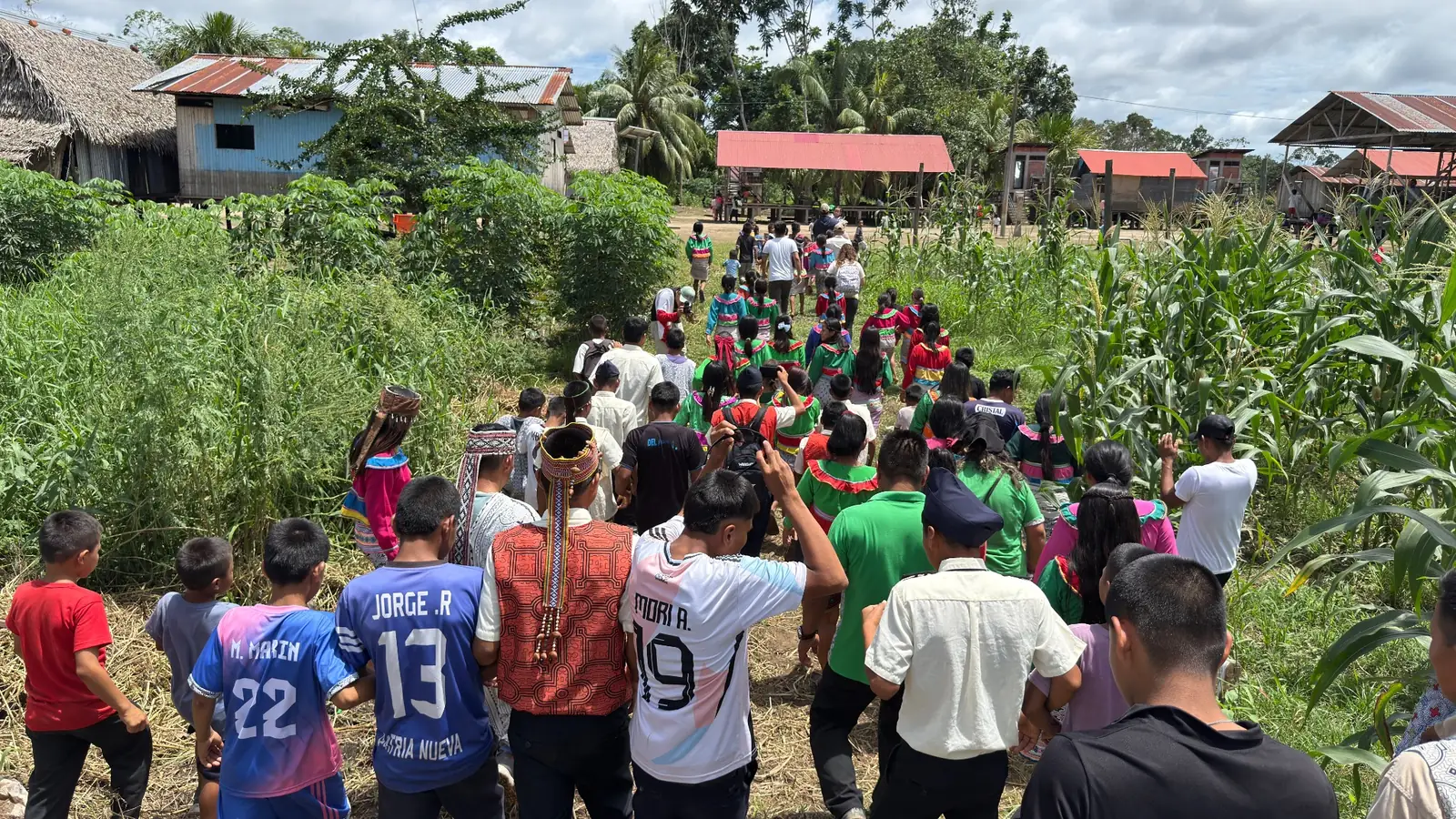
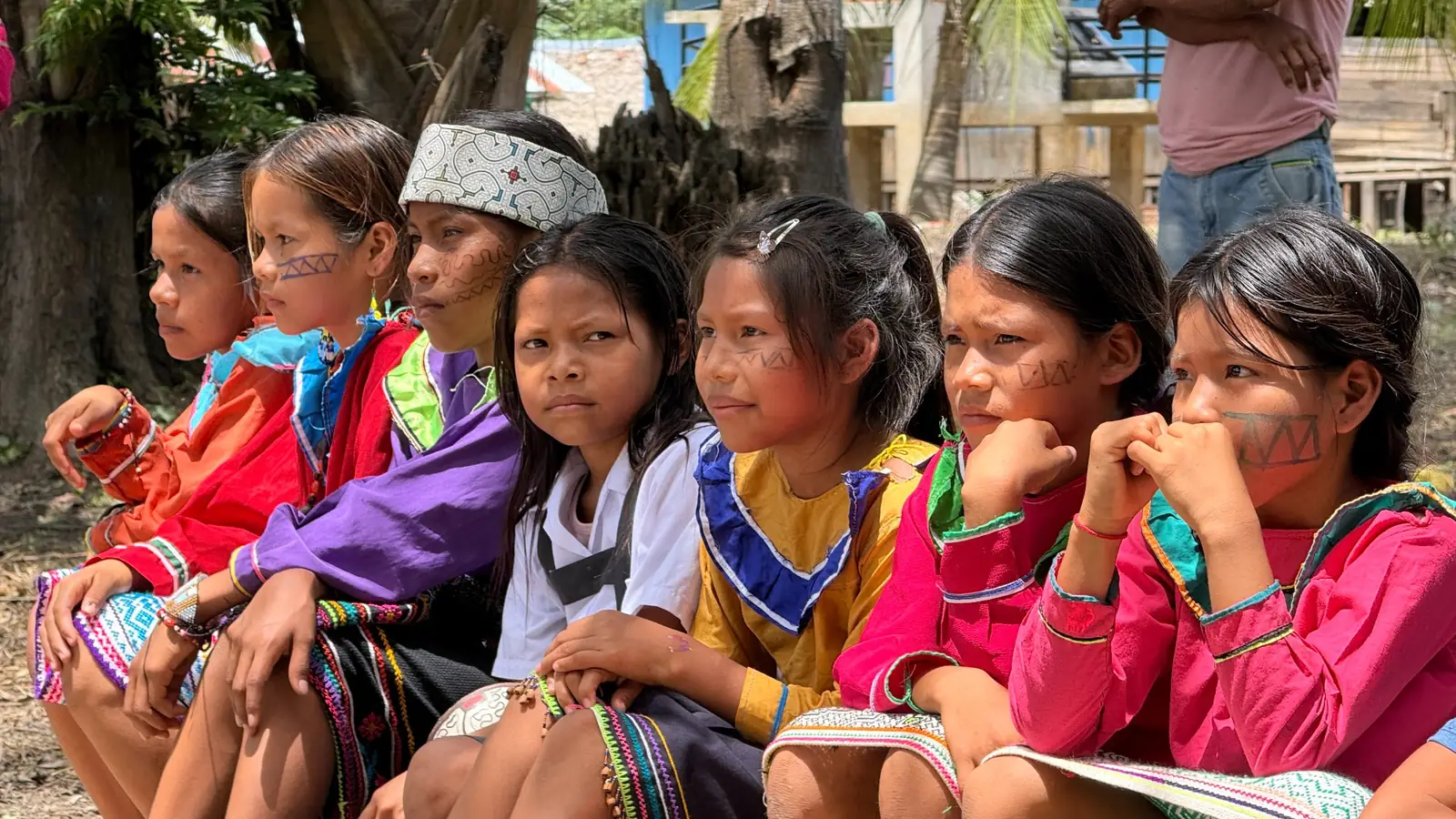
Project gallery
Project · 02
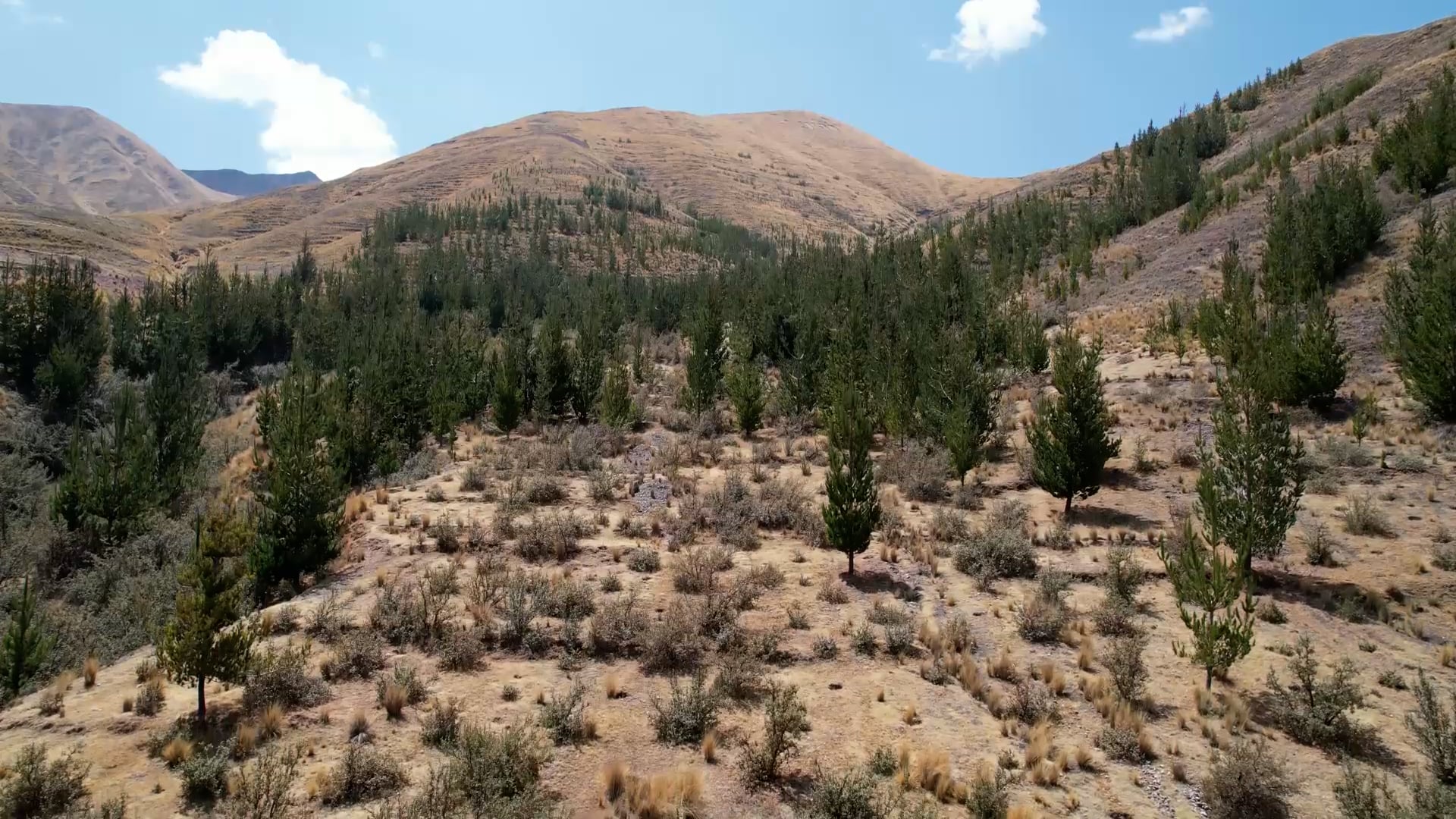
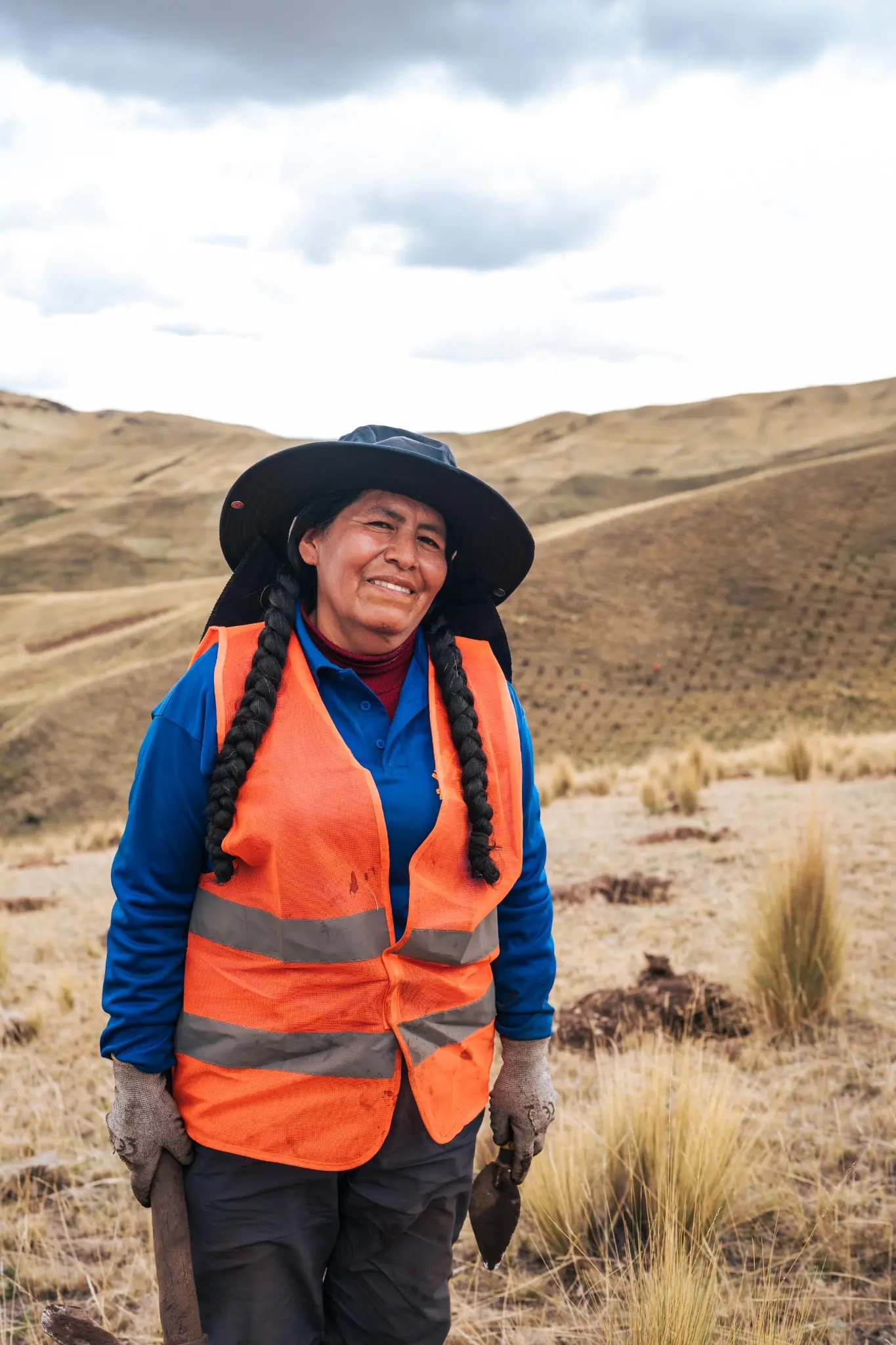
Andes Highlands · Cusco Region · Peru · beyond 3,800 m a.s.l.
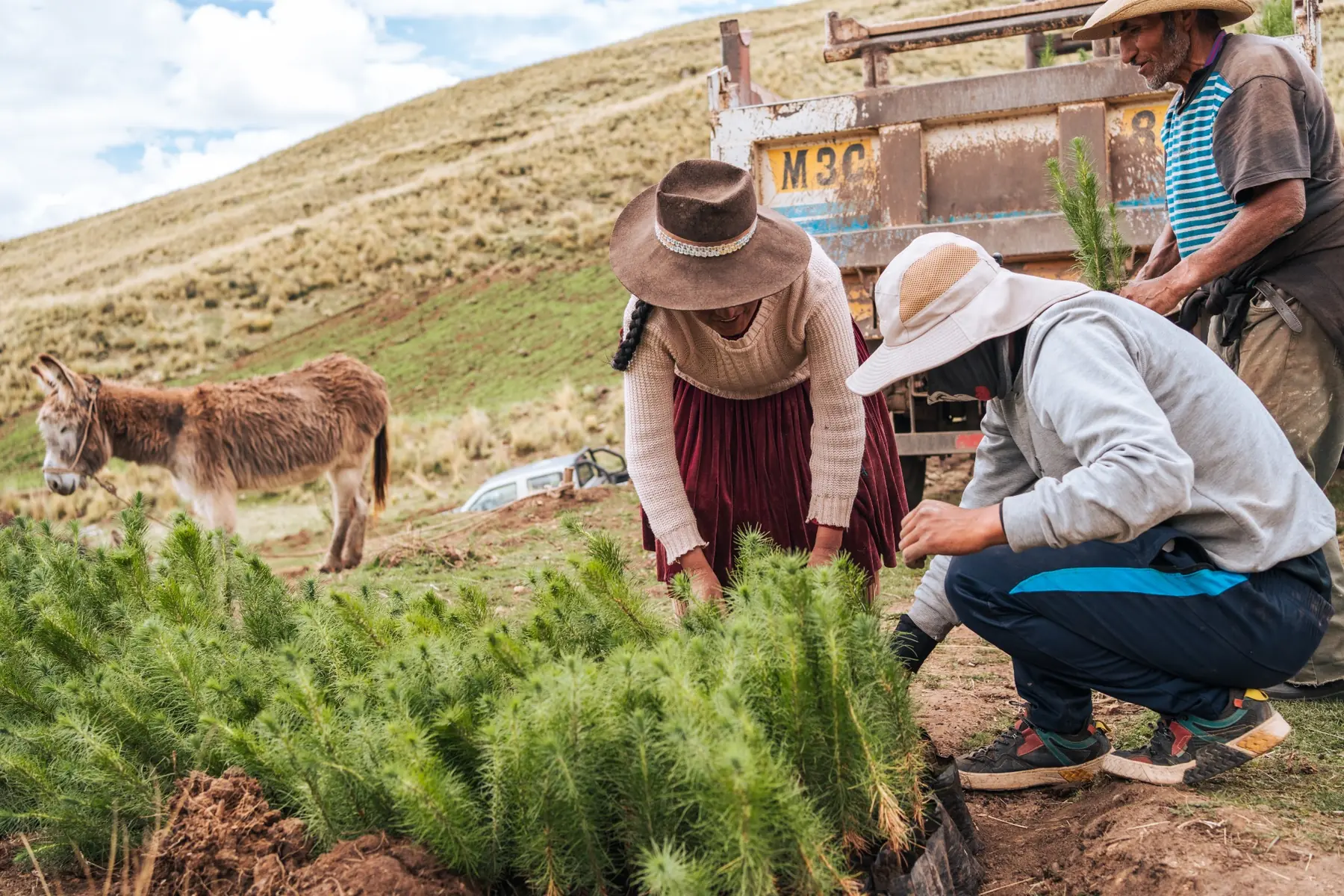
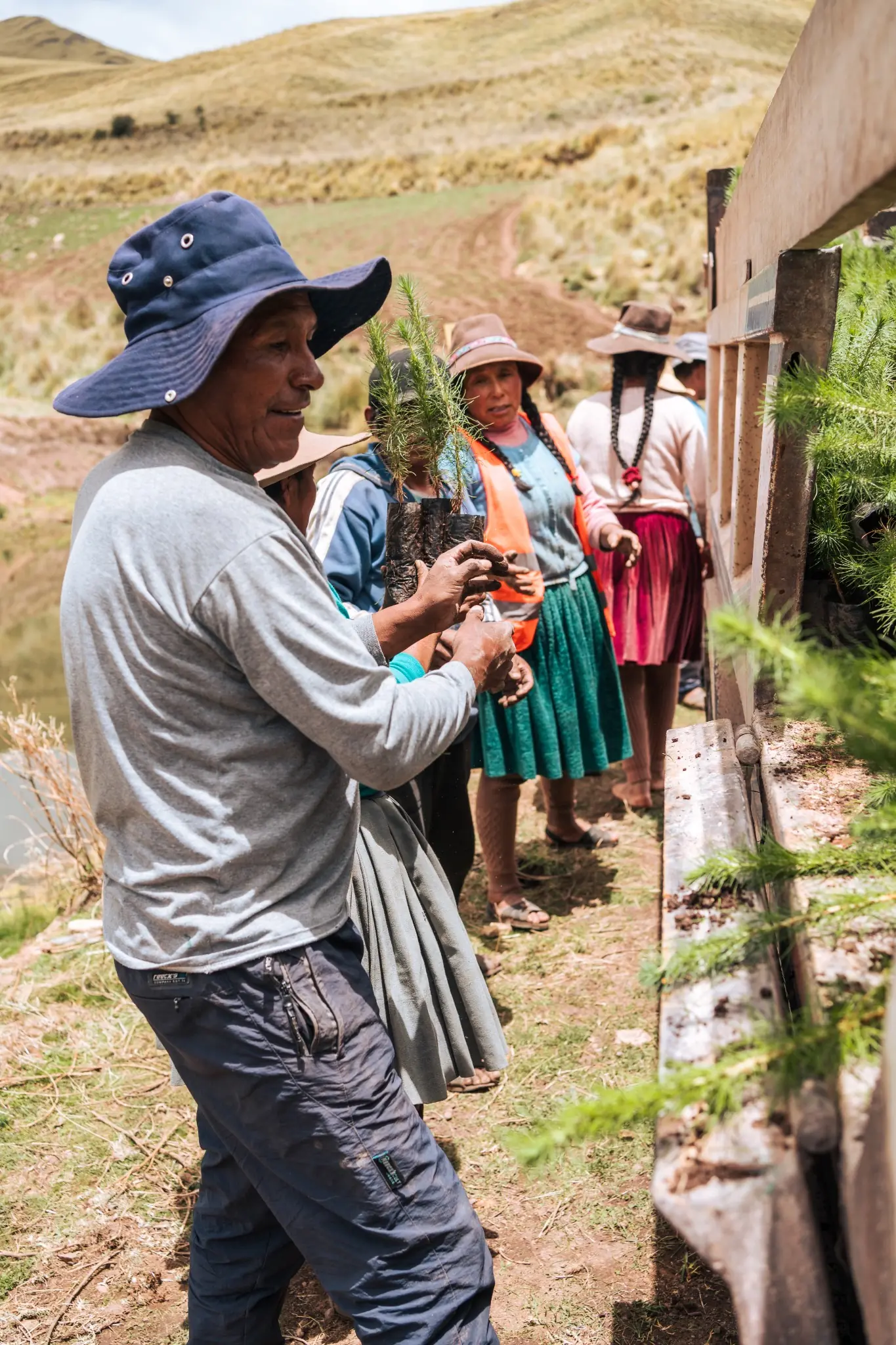
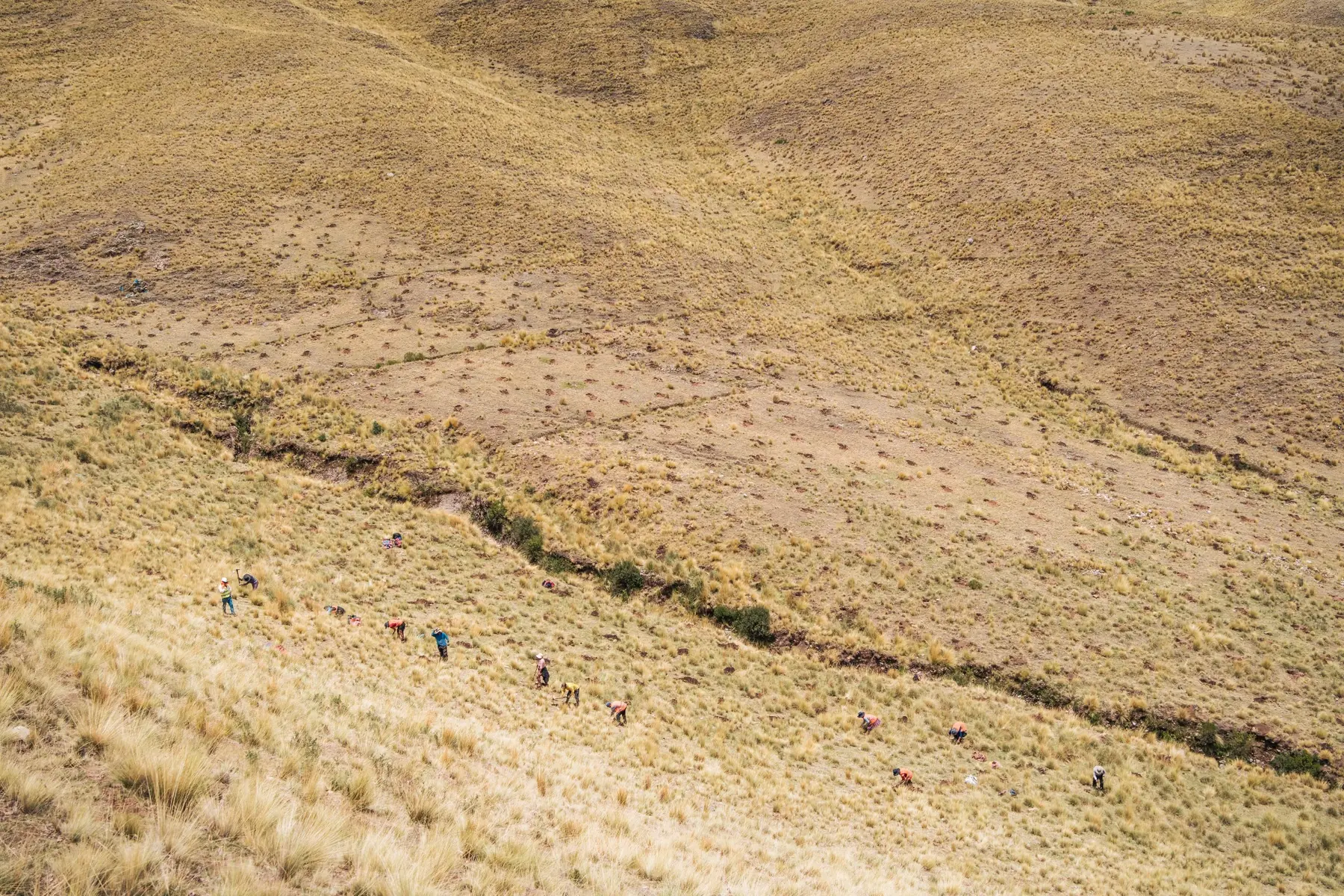
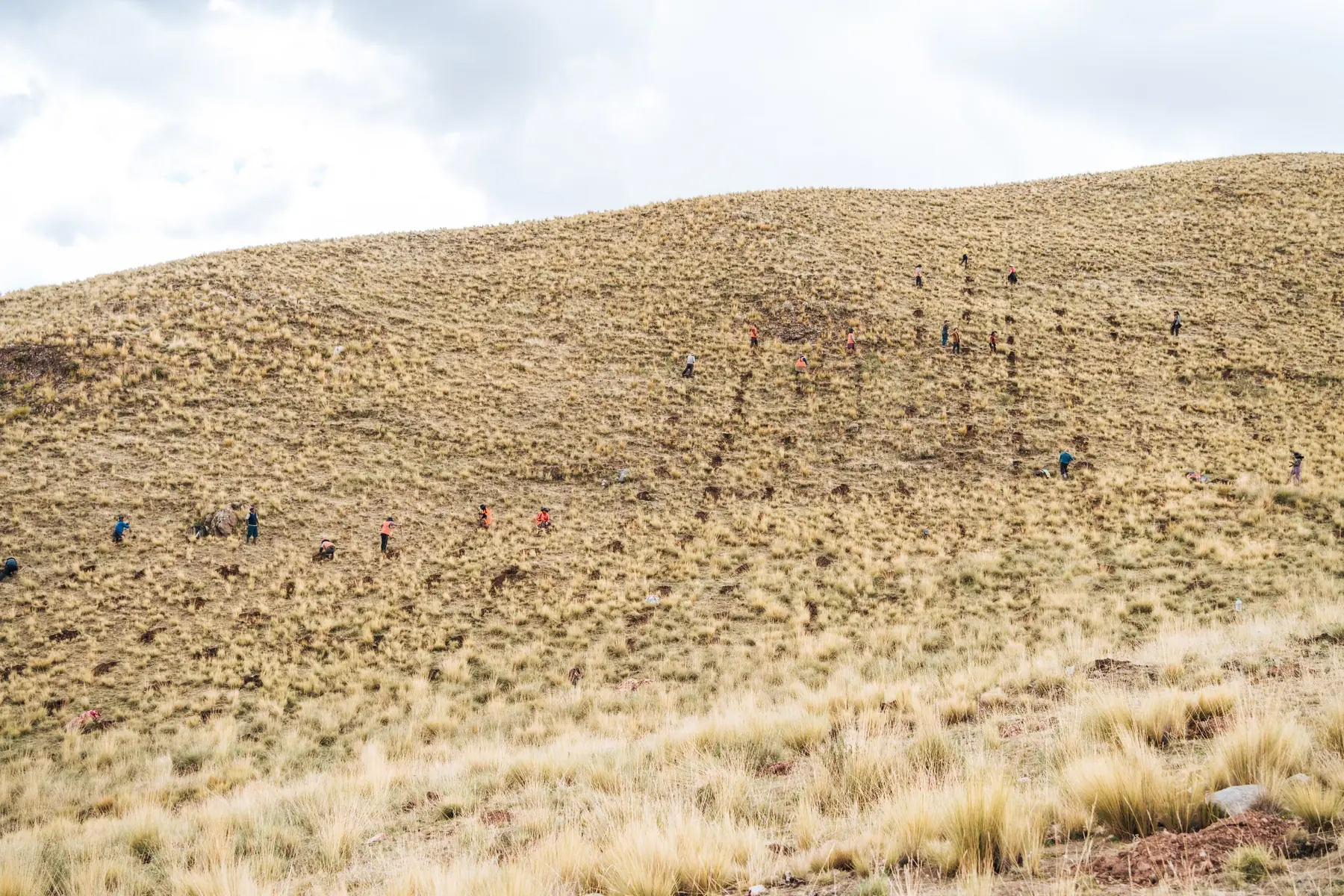
"Beautiful land" in Quechua. Large-scale, community-based afforestation and reforestation across the high Andes of Cusco. Sustainable pine forestry and native-species restoration, paired with mushroom cultivation and community value chains. Designed to scale into neighbouring regions.
§01 · The landscape
The high Andes of Cusco form part of the Puna ecoregion, a cold, windswept mountain landscape beyond 3,800 m a.s.l., with around 700mm of rainfall per year and naturally thin, fragile soils. Most of this land is today a mosaic of degraded high-Andean grasslands (pajonal andino) and shrublands, with only small relic patches of Polylepis forest and wetlands remaining.
National erosion mapping by Peru's Ministry of Environment (MINAM) and SENAMHI shows that close to 90% of the Andean region is under moderate to severe erosion, and Sumaq Allpa falls squarely in these categories. Centuries of overgrazing, recurrent anthropogenic burning and fuelwood extraction have turned once-deep, fertile soils into compacted, nutrient-poor, almost impermeable substrates. Degraded high-Andean puna landscapes expose rural communities and downstream valleys to increasing climate-adaptation risks: erosion, landslides, erratic water flows, frost damage to agriculture and declining pasture productivity. These impacts compound harsh social conditions in communities whose natural capital has been depleted. Sumaq Allpa is designed as an adaptation-oriented restoration programme: rebuilding vegetation cover, stabilising soils, improving water regulation and creating long-term community value chains from restored natural capital.
§02 · Reforestation design
Mixed forestry systems combining ~70% Pinus radiata (Pine) with a minimum of 30% native high-Andean trees, prioritising Polylepis spp. (queñual), Buddleja coriacea (qolle/colle), Escallonia resinosa (chachacomo), and Alnus acuminata (aliso), positively impacting riparian buffers, ecological corridors, biodiversity refugia and other suitable restoration zones, in line with VERRA ARR eligibility criteria.
Radiata pine acts as a structural component: its shallow, widely spreading root system binds topsoil, reduces surface erosion and small landslides, and protects fragile slopes and communal infrastructure.
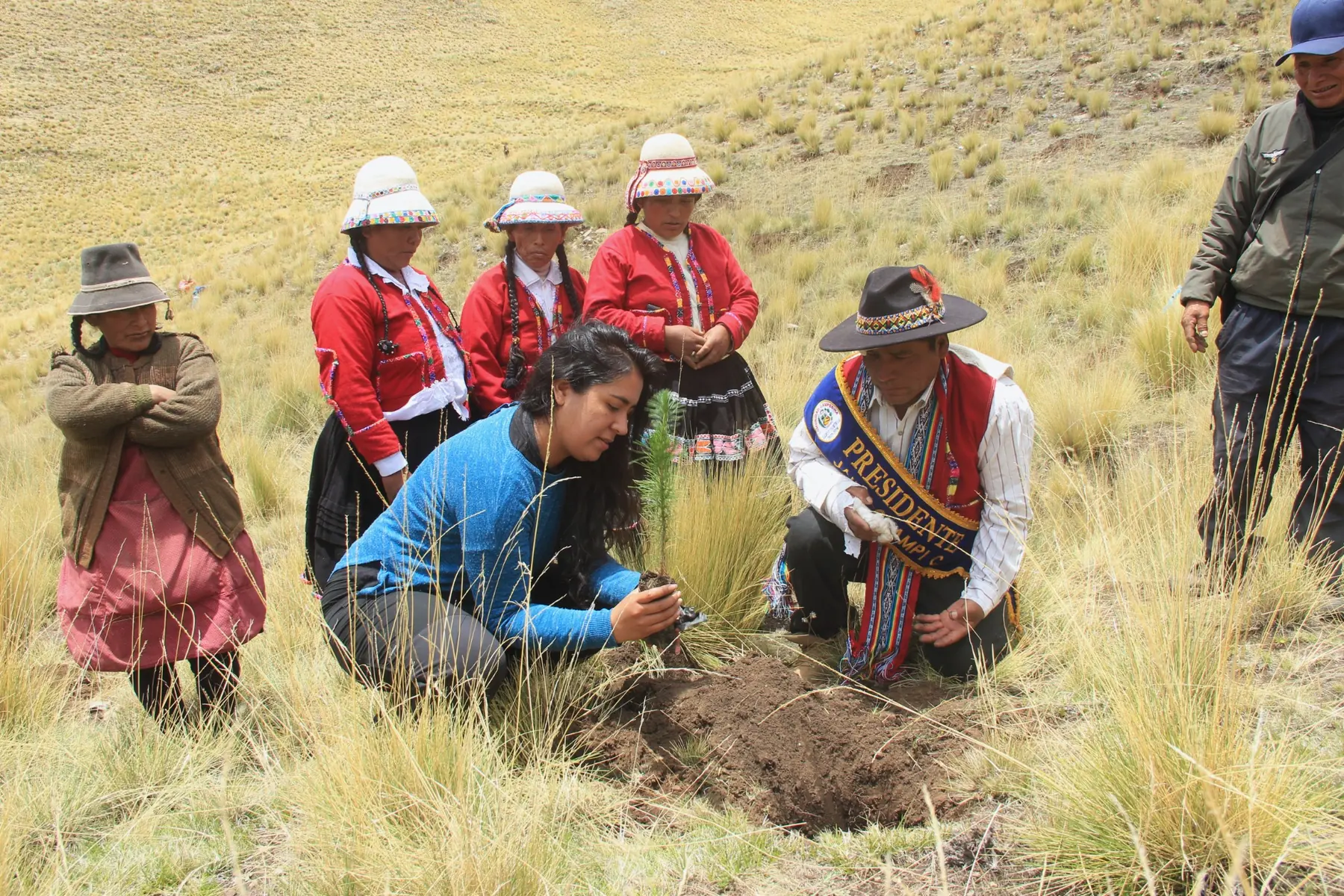
Decentralised community nurseries produce high-quality pine and native seedlings using local genetic material. Seedlings are inoculated with ectomycorrhizal fungi that improve nutrient uptake and soil structure, while also producing edible mushrooms as a non-timber forest product and early income stream for communities.
§03 · Carbon & biodiversity
Average carbon removals estimated at c.175,000 tCO₂e per year over 40 years, for a total of c.7 million tCO₂e, certified under VERRA's VM0047 ARR methodology (project VCS 5360).
A dedicated CCB-compliant biodiversity baseline was conducted for flora, birds and mammals. Key findings: 79 plant species across 32 botanical families, 18 bird species from 11 families, two mammal species. Several species of conservation concern are present, including Ephedra rupestris (nationally Critically Endangered), Escallonia myrtilloides (Vulnerable), and CITES Appendix II Cactaceae. Puma concolor has been reported by local populations and Fronterra nursery workers.
§04 · Communities & governance
Communities are partners, not beneficiaries. We co-design project activities, planting areas and benefit-sharing arrangements with communal authorities and assemblies. Transparent frameworks govern the allocation of carbon revenues, timber income and value chain benefits. Communities receive senior revenue-sharing and retain full revenue from timber extraction and non-carbon activities in the long term.
We respect communal decision-making and protect culturally important landscapes. Wetlands, relic Polylepis patches and archaeological sites are mapped, excluded from planting and treated as conservation zones. Free, Prior and Informed Consent processes are robust and ongoing. All safeguards align with IFC Performance Standards.
Key outcomes: 17,000 ha rehabilitated across ~60 communities; thousands of seasonal jobs in nurseries, planting and forest management; biodiversity enhancement via Polylepis restoration and wetland protection; climate adaptation through reduced erosion and improved water retention.
§05 · On the ground
Filmed in the Cusco highlands. Hosted on Vimeo. Open on Vimeo →
We welcome partners for carbon credit offtake, impact investment, blended finance, technical collaboration and community partnerships. High-integrity, nature-based climate solutions in the Andes.
Project gallery
Project · 03
Andean–Amazon Transition · Peru
Restoring 10,080 hectares of degraded Andean-Amazon transition forest through native reforestation, alongside 1,120 hectares of income-generating agroforestry. Degraded land becomes resilient forest mosaic: carbon sequestration, habitat reconnection, and sustained local livelihoods.
§01 · Restoration at scale
Selva Central spans the Andean-Amazon transition zone, where cloud forest meets lowland rainforest. One of the most biodiverse ecological gradients in South America. Centuries of smallholder clearing left degraded pastureland across the slopes. We convert that land back into resilient forest mosaics.
We combine rigorous silviculture, satellite-based MRV and participatory community governance to deliver verifiable outcomes at scale.
§02 · Technical design & silviculture
Native reforestation (c.90% of planted area) uses primary species including Cedrelinga cateniformis (Tornillo), Dipteryx ferrea (Shihuahuaco), a complementary mix of locally adapted long-term hardwoods and Calycophyllum spruceanum (Capirona), a strong pioneer hardwood with rapid growth to accelerate canopy closure and soil recovery.
Planting densities range 625–1,100 trees/ha depending on species and planting system, for a weighted average c.800 trees/ha, selected per micro-site using site-specific edaphic and hydrological data. Silvicultural program includes degraded pastureland restoration and early weed control through agro-ecological practices, mixed-row and nurse-species planting strategies, staged thinning and pruning to optimise growth, carbon uptake and timber/non-timber value. Nursery and outplanting protocols target survival rates >80% at Year 2.
Agroforestry systems (c.10% of area, 1,120 ha) integrate cocoa- and coffee-based shade-agroforestry mosaics with native canopy species. Shade tree selection prioritises native timber and multipurpose species for long-term ecological and economic co-benefits.
§03 · Carbon, MRV & permanence
The project follows VERRA VM0047 with a 40-year crediting lifetime and five-year verification cycles. MRV uses a hybrid approach: permanent field inventory plots combined with annual remote sensing and GIS change detection to quantify carbon stock changes and baseline dynamics.
Dynamic baseline modelling, conservative buffers and reversal risk mitigation are applied to protect permanence. Expected removal: c.5.5 million tCO₂e over 40 years (conservative estimate, subject to final verification).
§04 · Communities & safeguards
Full FPIC procedures and community co-design are central to project development. Communities participate in land use zoning, benefit-sharing design and social investment planning. The scaled project is projected to create >600 green jobs across nursery operations, planting, agroforestry services, monitoring and forest management.
Revenue streams (carbon credits, sustainable timber and non-timber harvests, agroforestry crop sales) flow through transparent benefit-sharing agreements. Governance includes community councils, co-management agreements and grievance mechanisms aligned with IFC Performance Standards.
Biodiversity, hydrology and ecosystem services: restoration emphasises structural complexity and species diversity to accelerate habitat recovery, with riparian buffer restoration, erosion control and connectivity corridors.
Rigorous science, strong community partnerships, market instruments. For investors, corporate buyers and partners seeking high-integrity carbon removal with biodiversity co-benefits and durable social impact.
Project · 04
Ashéninka territories · Pasco–Ucayali · Peruvian Amazon
A high-integrity community REDD+ and agroforestry project in one of Peru’s most remote Indigenous forest landscapes. Gran Pajonal links Ashéninka territorial governance, forest protection, deforestation-free coffee & cocoa agroforestry, biological monitoring and carbon finance into a single grouped project across titled native community lands.
§01 · The Gran Pajonal landscape
Gran Pajonal is a remote high plateau in Peru’s Selva Central, located mainly in Ucayali, with territories extending into Pasco. It is a rugged transition zone between the eastern Andes and the Amazon basin: humid forests, steep hills, deep ravines, grassland openings and dispersed Ashéninka settlements connected by tracks, rivers and long journeys from Oventeni.
For generations, Ashéninka communities have managed these forests under customary and communal tenure systems. Today, those territories face rising pressure from shifting agriculture, informal timber extraction, pasture expansion, external encroachment and the absence of reliable public services.
The project turns this frontier of vulnerability into a platform for community-led forest protection, climate finance and long-term livelihood resilience.
§02 · Carbon project design
The Gran Pajonal REDD+ and Agroforestry Project is designed as an Avoided Unplanned Deforestation and Degradation project under VERRA’s VM0048 methodology. It protects forest carbon stocks by reducing the conversion of titled Indigenous communal forests, while strengthening the local institutions that make long-term conservation possible.
The carbon architecture combines satellite-based monitoring, GIS analysis, risk-map allocation, community surveillance, safeguards and field implementation. Historical forest-loss dynamics are assessed using national and remote-sensing data, while project performance is tracked through a transparent MRV system aligned with VCS requirements and Peru’s evolving REDD+ accounting framework.
The project is structured across a 40-year crediting period. Final crediting volumes will depend on validation, Verra allocation tools, leakage deductions, buffer requirements and monitored performance.
§03 · Grouped project structure
The project is designed as a grouped REDD+ project across 30 Ashéninka native communities affiliated with the Organización Ashéninka del Gran Pajonal, OAGP. The grouped design allows communities to join progressively under a common technical, legal and safeguards framework.
Pilot communities begin with community agreements, FPIC implementation, baseline consolidation, initial surveillance brigades, agroforestry pilots and MRV onboarding.
Progressive inclusion allows additional communities to join once technical, legal and social eligibility conditions are met, including land-rights review, governance readiness and community consent.
Unified MRV and safeguards keep all participating communities under the same Internal Control System, including eligibility screening, FPIC documentation, safeguards monitoring, training, QA/QC and recordkeeping.
§04 · Intervention model
The project focuses on the drivers of unplanned deforestation and degradation. It does not treat communities as passive beneficiaries, but as territorial partners.
§05 · FPIC, safeguards & benefit sharing
Gran Pajonal is built on Free, Prior and Informed Consent. The FPIC process is designed as a long-term partnership mechanism, not a one-off consultation. Communities receive project information in accessible formats, deliberate through their assemblies, define conditions for participation and formalise decisions through community agreements.
The process is aligned with Peruvian legal principles, IFC Performance Standards and Verra safeguards. It includes preparation, design, co-construction, implementation and monitoring.
The benefit-sharing model combines early carbon finance for project implementation with long-term revenues from VCU commercialisation. Resources support surveillance, monitoring, sustainable livelihoods, certification and management, while creating community benefit flows and a dedicated community trust fund for health, education, livelihoods and territorial governance.
§06 · Impact at a glance
§07 · Partners & roles
OAGP is the Indigenous governance counterpart representing Ashéninka communities, coordinating inter-community decision-making, FPIC, local implementation and benefit-sharing oversight.
Nouvelle Planète is a strategic seed partner and historical donor supporting community development, FPIC readiness and early implementation conditions.
Fronterra leads project design, carbon engineering, MRV, safeguards, finance structuring, project management and market access.
MINAM, SERFOR and OSINFOR are relevant public authorities for national REDD+ alignment, forest governance, compliance and environmental oversight.
From Oventeni to the most remote Ashéninka settlements, Gran Pajonal is built where public services rarely arrive, and where community stewardship remains the strongest line of defence for the forest.
ContactMarseille · Cusco · Pucallpa
Offtake conversations, partnership inquiries, press, hiring. Every message reaches the team directly.
Write to us info@fronterra.eco§01 · Direct lines
General & offtake
info@fronterra.eco
Carbon offtake conversations, partnership inquiries, press, hiring. Reaches the team and is monitored daily across Marseille, Cusco and Pucallpa.
Founder & CEO
Juan@fronterra.eco
Direct to Juan Carlos González Aybar. For institutional investors, prospective operating partners, strategic partnerships and matters that warrant founder-level attention.
We work in English, Spanish and French. Time zones spanning CET and PET. Typical reply within 48 hours on weekdays; faster for active deal conversations.
LegalLast updated 23 September 2024
This Privacy Policy describes our policies and procedures on the collection, use and disclosure of your information when you use the Service, and tells you about your privacy rights and how the law protects you. We use your personal data to provide and improve the Service. By using the Service, you agree to the collection and use of information in accordance with this Privacy Policy.
The words of which the initial letter is capitalised have meanings defined under the following conditions. The following definitions shall have the same meaning regardless of whether they appear in singular or in plural.
For the purposes of this Privacy Policy: Account means a unique account created for you to access our Service or parts of our Service. Affiliate means an entity that controls, is controlled by or is under common control with a party, where "control" means ownership of 50% or more of the shares, equity interest or other securities entitled to vote for election of directors or other managing authority. Company (referred to as either "the Company", "We", "Us" or "Our") refers to AMA PACHA SAS, trading as Fronterra. Cookies are small files that are placed on your computer, mobile device or any other device by a website. Country refers to France and Peru. Device means any device that can access the Service. Personal Data is any information that relates to an identified or identifiable individual. Service refers to the Website. Service Provider means any natural or legal person who processes the data on behalf of the Company. Usage Data refers to data collected automatically, either generated by the use of the Service or from the Service infrastructure itself. Website refers to Fronterra, accessible from https://fronterra.eco/. You means the individual accessing or using the Service, or the company or other legal entity on behalf of which such individual is accessing or using the Service.
While using our Service, we may ask you to provide us with certain personally identifiable information that can be used to contact or identify you. Personally identifiable information may include email address, first name and last name, and usage data. Usage Data is collected automatically when using the Service, and may include information such as your device's IP address, browser type, browser version, the pages of our Service that you visit, the time and date of your visit, the time spent on those pages, unique device identifiers and other diagnostic data.
We use Cookies and similar tracking technologies to track the activity on our Service and store certain information. Tracking technologies used are beacons, tags, and scripts to collect and track information and to improve and analyse our Service. You can instruct your browser to refuse all Cookies or to indicate when a Cookie is being sent. However, if you do not accept Cookies, you may not be able to use some parts of our Service.
We use both Session and Persistent Cookies for the following purposes: Necessary / Essential Cookies (Session) to provide you with services available through the Website and to enable you to use some of its features; Cookies Policy / Notice Acceptance Cookies (Persistent) to identify if users have accepted the use of cookies on the Website; and Functionality Cookies (Persistent) to remember choices you make when you use the Website.
The Company may use Personal Data for the following purposes: to provide and maintain our Service, including to monitor the usage of our Service; to manage your Account; for the performance of a contract; to contact you by email, telephone calls, SMS, or other equivalent forms of electronic communication; to provide you with news, special offers and general information about other goods, services and events which we offer; to manage your requests; for business transfers; and for other purposes such as data analysis, identifying usage trends, and determining the effectiveness of our promotional campaigns.
We may share your personal information with Service Providers, for business transfers, with Affiliates, with business partners, with other users, and with your consent.
The Company will retain your Personal Data only for as long as is necessary for the purposes set out in this Privacy Policy. We will retain and use your Personal Data to the extent necessary to comply with our legal obligations, resolve disputes, and enforce our legal agreements and policies.
Your information, including Personal Data, is processed at the Company's operating offices and in any other places where the parties involved in the processing are located. It means that this information may be transferred to, and maintained on, computers located outside of your state, province, country or other governmental jurisdiction where the data protection laws may differ than those from your jurisdiction. Your consent to this Privacy Policy followed by your submission of such information represents your agreement to that transfer.
You have the right to delete or request that we assist in deleting the Personal Data that we have collected about you. You may update, amend, or delete your information at any time by signing in to your Account, if you have one, and visiting the account settings section. You may also contact us to request access to, correct, or delete any personal information that you have provided to us. Please note, however, that we may need to retain certain information when we have a legal obligation or lawful basis to do so.
If the Company is involved in a merger, acquisition or asset sale, your Personal Data may be transferred. We will provide notice before your Personal Data is transferred and becomes subject to a different Privacy Policy. Under certain circumstances, the Company may be required to disclose your Personal Data if required to do so by law or in response to valid requests by public authorities. The Company may disclose your Personal Data in the good faith belief that such action is necessary to comply with a legal obligation, protect and defend the rights or property of the Company, prevent or investigate possible wrongdoing in connection with the Service, protect the personal safety of users of the Service or the public, or protect against legal liability.
The security of your Personal Data is important to us, but remember that no method of transmission over the Internet, or method of electronic storage is 100% secure. While we strive to use commercially acceptable means to protect your Personal Data, we cannot guarantee its absolute security.
Our Service does not address anyone under the age of 16 (GDPR) or 13 (COPPA). We do not knowingly collect personally identifiable information from anyone under these ages. If you are a parent or guardian and you are aware that your child has provided us with Personal Data, please contact us.
Our Service may contain links to other websites that are not operated by us. If you click on a third-party link, you will be directed to that third party's site. We strongly advise you to review the Privacy Policy of every site you visit. We have no control over and assume no responsibility for the content, privacy policies or practices of any third-party sites or services.
We may update our Privacy Policy from time to time. We will notify you of any changes by posting the new Privacy Policy on this page. We will let you know via email and/or a prominent notice on our Service, prior to the change becoming effective, and update the "Last updated" date at the top of this Privacy Policy. You are advised to review this Privacy Policy periodically for any changes.
If you have any questions about this Privacy Policy, you can contact us at info@fronterra.eco.